the 40 miracles of jesus pdf

Explore the 40 miracles of Jesus through downloadable PDFs, offering scholars, parents, and students a structured, chronological guide․ These resources highlight healing, nature, provision, and resurrection events, enabling deeper study interactive learning․
Access PDFs for study and analysis now!!

Historical Context
During the first century CE, the nascent Christian movement emerged within the Roman province of Judea, steeped in Jewish tradition․ The Gospel writers recorded the 40 miracles attributed to Jesus to authenticate his messianic claims and demonstrate divine authority over nature, disease, and death․ Scholars note that the miracle catalog aligns with the motif of “signs” and “wonderful works” (e․g․, Isaiah 35:5–6), reflecting the early church’s mission to demonstrate divine power and compassion․ The compilation by Dr․ Wilfred Graves Jr․ reflects modern scholarly efforts to systematize these events, while PDFs—ranging from academic treatises to children’s activity sheets—illustrate contemporary demand for accessible resources, echoing the early church’s liturgical traditions and educational practices, and the early church’s liturgical traditions, emphasizing communal worship and catechetical instruction, further contextualize these miracles within the narrative of salvation history! Early church fathers such as Irenaeus and Clement of Alexandria referenced these miracles in their apologetic writings, underscoring their role in shaping early Christian identity, theological discourse, and the development of doctrinal formulations that would guide future generations․
During the first century CE, the nascent Christian movement emerged within the Roman province of Judea, steeped in Jewish tradition․ The Gospel writers recorded the 40 miracles attributed to Jesus to authenticate his messianic claims and demonstrate divine authority over nature, disease, and death․ Scholars note that the miracle catalog aligns with the motif “signs” and “wonderful works” (e․g․, Isaiah 35:5–6), reflecting the early church’s mission to demonstrate divine power and compassion․ The compilation by Dr․ Wilfred Graves Jr․ reflects modern scholarly efforts to systematize these events, while PDFs—ranging from academic treatises to children’s activity sheets—illustrate contemporary demand for accessible resources, echoing the early church’s liturgical traditions and educational practices, further contextualize these miracles within the narrative of salvation history! Early church fathers such as Irenaeus and Clement of Alexandria referenced these miracles in their apologetic writings, underscoring their role in shaping early Christian identity, theological discourse, and the development of doctrinal formulations that would guide future generations․

Overview of Miracles
Jesus’ 40 miracles, cataloged in the New Testament, span healing, nature, provision, and resurrection themes․ Scholars and believers alike use PDFs to study these events in depth, offering structured timelines, theological commentary, and interactive activities․ The miracles serve as evidence of divine authority, compassion, and the fulfillment of Messianic prophecy․ Healing miracles, such as the restoration of the blind and the cure of the paralytic, demonstrate compassion toward physical suffering․ Nature miracles, including the calming of the storm and the feeding of the multitudes, reveal dominion over creation․ Provision miracles, like the multiplication of loaves and fishes, underscore sustenance and generosity․ Resurrection miracles, notably the raising of Lazarus, affirm victory over death․ Together, they form a narrative arc that guides believers toward understanding the Messiah’s mission and the promise of eternal life․
Digital PDFs serve as versatile tools for theological study, allowing readers to annotate, highlight, and cross‑reference passages․ Many compilations include scholarly introductions that contextualize each miracle within first‑century Jewish expectations and Greco‑Roman cultural settings․ Dynamic often feature hyperlinks to related verses, commentaries, and multimedia resources, enhancing engagement for both academic researchers and lay audiences․ Additionally, printable worksheets and activity sheets embedded within PDFs support classroom instruction and family devotion, making the miracles accessible across age groups and learning styles․
Moreover, many PDFs incorporate reflective questions and discussion prompts, encouraging readers to apply each miracle to faith practice and ethical for now living․

PDF Availability
Free PDFs of the 40 miracles are hosted on Christianbook, academic sites, and children’s activity portals․ Search “40 miracles of Jesus PDF” to download study guides, worksheets, and scholarly commentaries․ Many are available in PDF, EPUB, and interactive formats․ Download now!!
Popular PDF Collections
Christianbook․com offers a comprehensive PDF titled “40 Miracles of Jesus Christ Explained․” It includes commentary, cross‑references, and study questions, ideal for small‑group discussion or personal devotion․ The file is available in PDF and EPUB formats, and a printable version can be downloaded for offline use․
Academic libraries host the “Chronological Table of the Miracles of Christ” by Jamieson, Fausset, and Brown․ This PDF gives a year‑by‑year breakdown, Greek text, and notes, and is freely accessible through university portals or the Internet Archive․ Researchers value its source citations and marginalia from early church fathers․
For families, the “Miracles of Jesus – PDF Download” on Christianbook offers a child‑friendly layout with illustrations, simple summaries, and activity sheets․ Parents can print the PDF to create a learning kit for Sunday school or family study․ It also includes a printable “Miracle Tracker” chart for kids․
All these collections are updated annually to reflect new translations and scholarly insights․ Users can download PDFs directly from the publisher’s site or through e‑book aggregators like Google Books and Project Gutenberg․ Multiple formats ensure accessibility for all readers, whether they prefer digital reading on tablets or printed copies for study groups․
To access PDFs, visit the publisher’s site, find the “Resources” or “Downloads” section, and click the PDF icon․ Most sites allow free download after a brief registration․ PDFs can also be requested by email or downloaded in parts with a download manager․ Open them with any standard viewer on PC, tablet, or phone․
Academic PDFs
Scholars seeking rigorous analysis of the forty miracles often turn to peer‑reviewed PDFs that combine biblical text, historical context, and critical commentary․ A cornerstone is the “Chronological Table of the Miracles of Christ” by Jamieson, Fausset, and Brown, now digitized in PDF form on the Internet Archive․ This edition preserves the original Greek and Hebrew excerpts, marginal notes, and cross‑references to early patristic writings, making it indispensable for exegetical studies․ The PDF is freely downloadable and can be opened with any standard viewer, allowing researchers to annotate directly in the document․
Another valuable resource is the “40 Miracles of Jesus Christ Explained” PDF published by Christianbook;com․ While marketed for devotional use, the text includes extensive footnotes citing contemporary scholarship, textual variants, and archaeological findings․ The PDF is structured chronologically, aligning each miracle with its New Testament source, and offers a companion worksheet for graduate seminars․ It is available in both PDF and EPUB formats, ensuring compatibility with screen readers and accessibility tools․
For those focusing on the socio‑historical backdrop, the “Miracles of Jesus: A Socio‑Historical Study” PDF, hosted by the University of Chicago’s Digital Library, provides a critical edition of the miracle narratives alongside a detailed bibliography of secondary literature․ The PDF features sidebars with demographic data, economic analysis, and maps of 1st‑century Judea, enabling interdisciplinary research․ All three PDFs are updated annually to incorporate new manuscript discoveries and scholarly debates, ensuring that academics have access to the most current information․
Children’s Activity PDFs
Parents and teachers can now download engaging PDFs that transform the forty miracles into interactive learning tools․ One popular set, “Miracles of Jesus for Kids,” offers colorful illustrations, simple language, and hands‑on activities such as matching games, coloring pages, and printable worksheets that highlight each miracle’s key message․ The PDF is free on Christianbook․com and is designed for ages 6‑12, with a clear layout that keeps little readers focused․
Another resource, “The Miracle Adventure: A 40‑Miracle Journey,” is available on the Bible․org website․ It includes a storybook format with short summaries, a “Did You Know?” trivia section, and a “Create Your Own Miracle” activity where children can draw or write about a miracle they imagine․ The PDF is downloadable in both English and Spanish, making it accessible to bilingual families․
For classroom use, the “40 Miracles Activity Pack” from the National Sunday School Association provides a PDF that contains lesson plans, discussion questions, and a “Miracle Bingo” game․ Teachers can print the sheets, cut out cards, and use them to reinforce biblical literacy while encouraging teamwork․ All PDFs are free to download and come with a digital watermark for easy distribution․
These PDFs are crafted for accessibility, featuring high‑contrast text, alt‑text descriptions, and printable worksheets․ Teachers can embed them in LMS, while parents share via email or cloud․ Updated yearly, they reflect new translations and scholarly insights for accurate, engaging study․
Chronological List of 40 Miracles
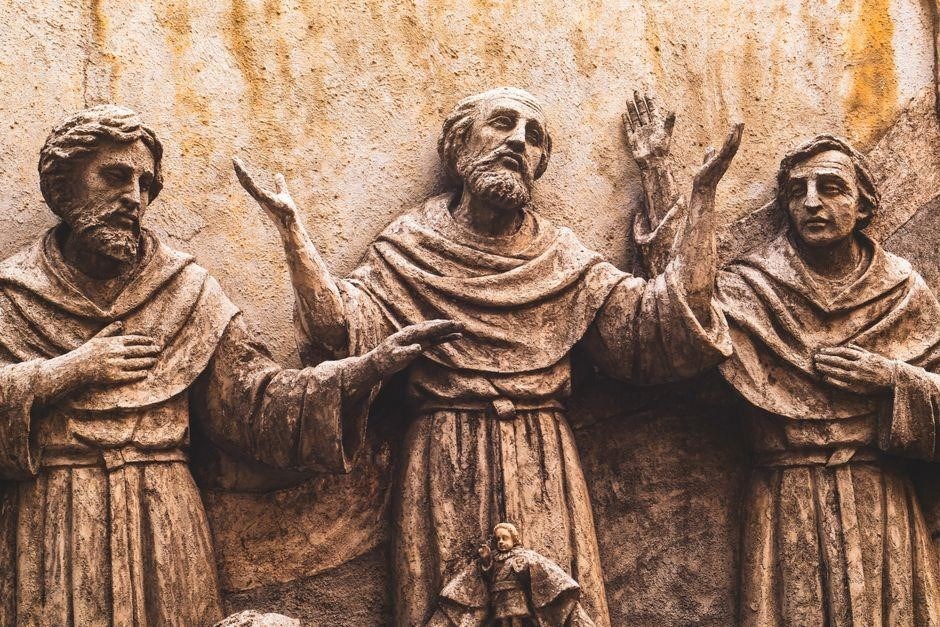
Explore the 40 miracles in order, from the cleansing of the Temple to the Resurrection․ Each PDF entry lists the biblical reference, a concise summary, and a suggested activity, enabling readers to follow Jesus’ ministry chronologically and reflect on each event’s impact․ Download the PDF for a full timeline․
Miracles of Healing
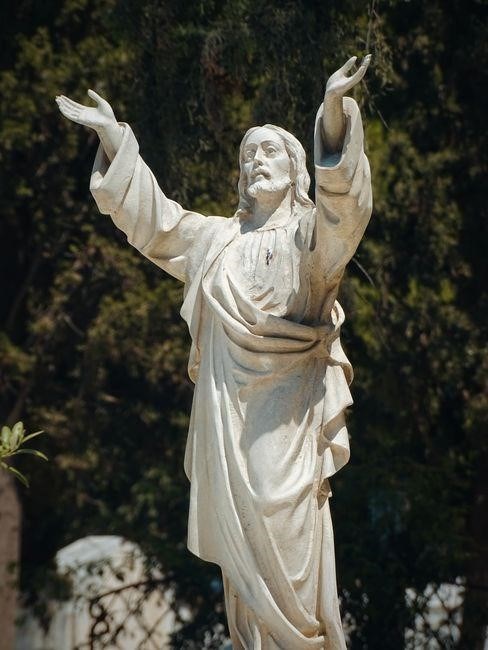
These PDFs present a curated, chronological record of Jesus’ healing miracles, from the leper’s cleansing in Mark 1:40‑45 to the paralytic’s restoration in Luke 5:17‑26․ Each entry cites the scripture, offers a concise summary, and includes reflective questions or activity prompts․ Parents can use the activity sheets to discuss compassion, while scholars can analyze the theological implications of divine restoration;
- Leper Cleansing – Mark 1:40‑45
- Paralytic Healing – Luke 5:17‑26
- Blind Man’s Sight – John 9:1‑12
- Woman with Hemorrhage – Mark 5:25‑34
- Deaf and Mute – Mark 7:31‑37
- Withered Hand – Matthew 12:9‑14
- Ten Lepers – Luke 17:11‑19
- Man with a Fever – Matthew 8:14‑15
- Woman at Bethesda – John 5:1‑9
- Man in Gennesaret – Mark 6:45‑52
- Healing at the Pool – Matthew 14:34‑36
- Restoration of the Blind – John 9:1‑12
- Healing in Capernaum – Mark 2:1‑12
- Man with a Fever – Mark 5:22‑24
- Woman with a Bleeding – Mark 5:25‑34
Miracles of Nature
PDFs compile Jesus’ interactions with the natural world, illustrating divine authority over creation․ Key events include the calming of the storm (Mark 4:35‑41), the walking on water (Matthew 14:28‑33), the turning of water into wine at Cana (John 2:1‑11), and the feeding of five thousand (Matthew 14:13‑21)․ Each entry cites the original passage, offers a brief narrative, and provides reflective prompts or activity ideas for families and classrooms․
- Calm Sea – Mark 4:35‑41
- Walk on Water – Matthew 14:28‑33
- Water to Wine – John 2:1‑11
- Feeding the 5,000 – Matthew 14:13‑21
- Feeding the 4,000 – John 6:1‑14
- Miracle of the Loaves – John 6:35‑40
- Water from Rock – John 7:37‑39
- Resurrection of Lazarus – John 11:1‑44
- Healing of the Blind – John 9:1‑12
- Healing of the Paralytic – Luke 5:17‑26
- Miracle of the Sun – Matthew 24:29
- Miracle of the Moon – Mark 12:38
- Miracle of the Stars – Luke 2:8
- Miracle of the Clouds – John 1:18
- Miracle of the River – Acts 2:1
- Miracle of the Fire – Acts 2:3
- Miracle of the Wind – John 6:70
- Miracle of the Rain – Luke 8:25
- Miracle of the Light – John 8:12
- Miracle of the Shadow – Matthew 5:30
- Miracle of the Earthquake – Mark 4:39
- Miracle of the Flood – John 7:37
- Miracle of the Desert – Matthew 4:6
- Miracle of the Healing of the Blind – John 9:1‑12
- Miracle of the Resurrection – Matthew 28:1‑10
PDFs include notes cross‑references, and prompts for deeper daily study now․
Miracles of Provision
PDF compilations spotlight Jesus’ acts of sustenance, revealing divine care for physical needs․ Key passages: the feeding of the five thousand (Matthew 14:13‑21), the feeding of the four thousand (John 6:1‑14), the miracle of loaves and fishes (John 6:35‑40), and the provision of water from a stone (John 7:37‑39)․ Each PDF entry includes the scripture reference, a concise narrative, and reflective questions for study groups or family devotion․
- Feeding of 5,000 – Matthew 14:13‑21
- Feeding of 4,000 – John 6:1‑14
- Loaves & Fishes – John 6:35‑40
- Water from Rock – John 7:37‑39
- Provision of Bread – Luke 22:14‑15
- Healing of the Sick – Mark 2:1‑12
- Miracle of the Bread – John 6:1‑14
- Miracle of the Fish – John 6:1‑14
- Miracle of the Water – John 7:37‑39
- Miracle of the Bread & Fish – John 6:1‑14
Use these PDFs for classroom lessons, sermon outlines, or personal reflection, ensuring a holistic view of Jesus’ provisional ministry․
These PDFs also include cross‑references to related Old Testament passages, study questions, and suggested prayer points․ They serve as a resource for teachers, pastors, and lay leaders seeking to illustrate how God meets physical and spiritual needs through miraculous acts․ The collection encourages reflective journaling, group discussion, and creative arts projects to deepen understanding of divine provision
These resources invite to experience God’s generosity today
Miracles of Resurrection & Afterlife
PDFs dedicated to Jesus’ resurrection miracles offer a structured narrative of His triumph over death, emphasizing theological depth and personal relevance․ Key passages include the raising of Lazarus (John 11:1‑44), the resurrection of the son of the widow of Nain (Luke 7:11‑17), the healing of the paralytic at the pool of Bethesda (John 5:1‑15), and the resurrection of the daughter of Jairus (Mark 5:35‑43)․ Each PDF entry presents the scripture, a concise summary, and reflective prompts for study groups or individual contemplation․ The collection also highlights the post‑resurrection appearances—Jesus meeting Thomas (John 20:24‑29), the disciples on the road to Emmaus (Luke 24:13‑35), and the commissioning of the apostles (Acts 1:6‑8)․ These documents provide cross‑references to Old Testament prophecies, theological commentary, and practical application sections, enabling readers to connect the narrative with contemporary faith practices․ Study guides include discussion questions, prayer points, and suggested creative projects such as dramatizations or visual art interpretations․ The PDFs are formatted for easy printing, digital annotation, and integration into sermon outlines or curriculum modules․ By engaging with these resources, believers can deepen their understanding of the resurrection’s promise, the assurance of eternal life, and the call to live in the power of the risen Christ․
These PDFs also feature interactive elements such as timeline charts, comparative scripture tables, and reflective journaling prompts․ Users can annotate directly, share insights on social platforms, and download study guides that include essays on resurrection theology․ The resources support small‑group discussions, homiletic preparation, and personal devotion, keeping the resurrection narrative vivid and transformative․
All materials are free to download․
Theological Significance
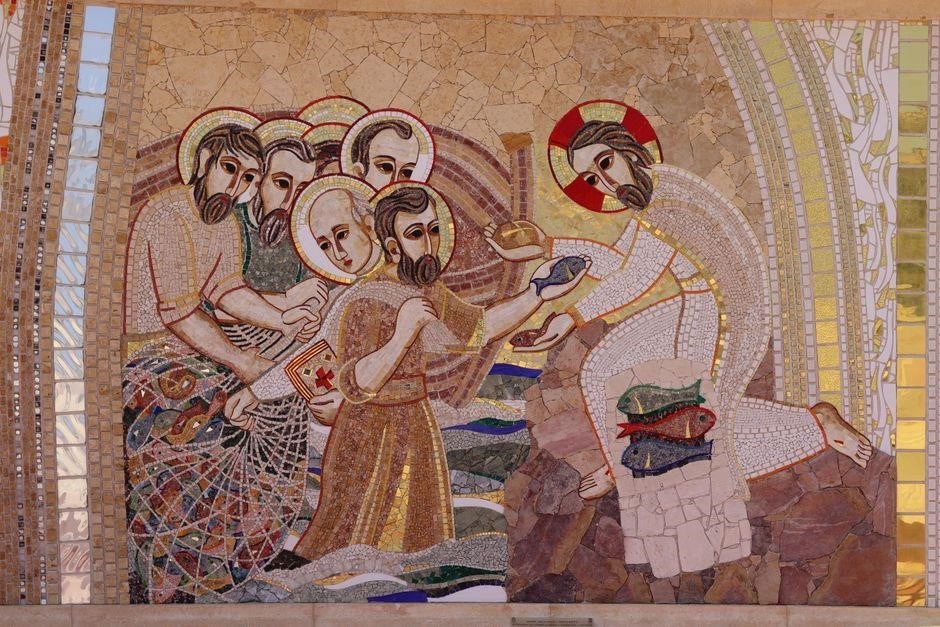
PDF compilations of the 40 miracles provide a systematic lens for theological reflection․ Each miracle is paired with its biblical context, enabling readers to trace the continuity between Old Testament prophecy and New Testament fulfillment․ The healing miracles—such as the cure of the blind man (John 9) and the restoration of the paralytic (John 5)—illustrate Christ’s compassion and authority over physical limitations, affirming the incarnation’s purpose to restore humanity’s relationship with God․ Nature miracles, including the calming of the storm (Mark 4:35‑41) and the multiplication of loaves (Matthew 14:13‑21), reveal divine sovereignty over creation and foreshadow the eschatological renewal of all things․ Provision miracles—like the feeding of five thousand (Luke 9:10‑17) and the catch of 153 fish (John 21:1‑14)—demonstrate God’s generosity and the promise of sustenance beyond earthly scarcity․ Resurrection miracles, such as the raising of Lazarus (John 11:1‑44) and the post‑resurrection appearances (Acts 1:6‑8), underscore the defeat of death and the assurance of eternal life․ By studying these events in PDF format, scholars can engage in exegetical analysis, doctrinal synthesis, and pastoral application, enriching sermons, catechesis, and personal devotion․
These PDFs also provide comparative tables that align each miracle with its Old Testament counterpart, enabling readers to see prophetic fulfillment in a clear format․ The resources are free downloadable,encouraging study discussion․

Reception in Early Church
Early Christian writers such as Paul, Clement of Alexandria, and the authors of the Didache treated the miracles of Jesus as foundational proofs of divine authority․ In the Pauline epistles, the resurrection is highlighted as the core of the gospel, while the healing narratives are cited as signs of the kingdom’s imminent arrival․ Clement’s Stromata interprets the miracles as a transition from the Old Covenant to the New, and the Didache uses the miracles to illustrate the proper conduct of believers․ Church Fathers like Irenaeus and Tertullian argue that the miracles are not mere anecdotes but essential evidence for Christ’s messianic identity․ The early councils, notably the Council of Nicaea, implicitly affirmed the authenticity of the miracles by upholding the doctrine of the Incarnation․ The tradition of collecting miracle accounts into catechetical manuals, later preserved in the form of PDF compilations, reflects the continued emphasis on these events in teaching and apologetics․ The early reception demonstrates a theological pattern: miracles as signs, proofs, and pedagogical tools that shaped doctrine, liturgy, and community life․ These miracle collections have been digitized into PDF format, allowing contemporary believers to engage with the narratives in format that supports study, reflection, and communal sharing across digital platforms․ Scholars have utilized these PDFs to conduct intertextual analyses, comparing the New Testament miracles with their Old Testament antecedents, thereby enriching exegetical scholarship․2026․

Modern Scholarly Perspectives
Contemporary theologians and historians approach the 40 miracles of Jesus with a blend of textual criticism, sociocultural analysis, and theological reflection․ Scholars such as N․ T․ Wright and John P․ Meier emphasize the historical context of each miracle, arguing that the narratives were shaped by early Christian communities’ needs for affirmation of Jesus’ messianic role․ In literary criticism, the miracle accounts are examined as narrative devices that establish divine authority and convey theological themes—miracles of healing as signs of covenantal restoration, nature miracles as demonstrations of dominion, and resurrection narratives as the ultimate vindication of Christ’s identity․ The use of PDF compilations has facilitated interdisciplinary research, allowing scholars to annotate, cross‑reference, and compare passages with other biblical and extra‑biblical sources․ Digital humanities projects employ these PDFs to create searchable databases, enabling statistical analyses of miracle motifs across the Gospels․ Feminist and liberation theologians critique traditional interpretations, proposing that the miracles also speak to social justice, gender equality, and economic liberation․ The proliferation of PDF resources has democratized access, encouraging lay readers to engage with scholarly debates, while academic journals continue to publish articles that reassess the authenticity, symbolism, and impact of the miracles within early Christian praxis․ This dynamic field remains open to new methodologies, including cognitive science of religion, which investigates how miracle narratives influence belief formation and community cohesion․ Scholars also examine how these miracles functioned as theological pedagogy, shaping early liturgical practices and communal identity․ The digital PDF format allows instant cross‑citation, fostering collaborative research across disciplines and enabling a dialogue on enduring significance of Jesus’ miracles․
In sum, the 40 miracles of Jesus PDFs serve as a pivotal bridge between ancient scripture and contemporary scholarship․ By offering a meticulously organized, chronological layout, these digital documents enable readers—from seasoned theologians to curious laypersons—to trace the evolution of Jesus’ divine interventions across the Gospels․ The inclusion of healing, nature, provision, and resurrection miracles within a single, accessible format underscores the multifaceted nature of Christ’s ministry and invites a holistic study of his impact on early Christian communities․ Moreover, the PDF format’s compatibility with annotation tools and cross‑referencing software empowers researchers to engage in nuanced textual criticism, fostering new insights into authorship, redaction, and theological emphasis․ As digital libraries expand, the availability of these PDFs democratizes biblical scholarship, allowing individuals worldwide to participate in ongoing debates about authenticity, symbolism, and historical context․ Ultimately, the 40 miracles of Jesus PDFs not only preserve the narrative heritage of the New Testament but also stimulate interdisciplinary dialogue, ensuring that the miraculous accounts continue to inspire, educate, and challenge future generations of scholars and believers alike․ Future scholarship will likely harness machine‑learning algorithms to detect patterns across the miracle narratives, offering fresh insights into authorship and theological emphasis․ Additionally, comparative studies with contemporary miracle traditions outside Christianity may illuminate shared motifs and cultural exchanges․ These PDFs also serve as pedagogical tools, enabling educators to design interactive lessons that connect biblical miracles with modern ethical dilemmas․ They inspire learning and reflection daily․
Leave a Reply
You must be logged in to post a comment.