are study guides

Are Study Guides Effective?
Research shows study guides boost retention by 25%․ Visual, interactive formats improve engagement, especially for complex exams like ARE 5․0․ However, overreliance can hinder critical thinking․ Balanced use with active practice yields best outcomes Learners find the visual layout reduces cognitive load fastly

History of Study Guides
Early educational manuals, dating to the 15th century, were manuscripts that summarized key lessons for apprentices․ The printing press in 1476 accelerated distribution, allowing standardized study aids to reach a broader audience․ By the 19th century, textbooks began incorporating “study questions” at chapter ends, a practice that evolved into the modern study guide․
In the 20th century, the rise of mass education and standardized testing spurred the creation of specialized guides․ The 1950s saw the first commercially produced test prep books, offering structured outlines and practice questions․ The 1970s introduced color‑coded summaries and visual aids, responding to research on dual‑coding theory․ These guides aid exam success
Digital technology reshaped the landscape in the 1990s․ Interactive PDFs and early web platforms allowed dynamic content, hyperlinks and multimedia․ The 2000s brought e‑learning modules and adaptive learning algorithms, tailoring study paths to individual performance․ Today, AI‑driven platforms generate personalized study plans and real‑time feedback․ Their integration fosters collaborative learning․ Growth․!
Throughout history, the core goal has remained: to distill complex material into accessible, actionable formats that enhance comprehension and retention․ The evolution reflects shifts in pedagogy, technology, and learner expectations․ This adaptability fuels continuous improvement and student empowerment․ Learners thrive when resources evolve with their needs․ Growth․
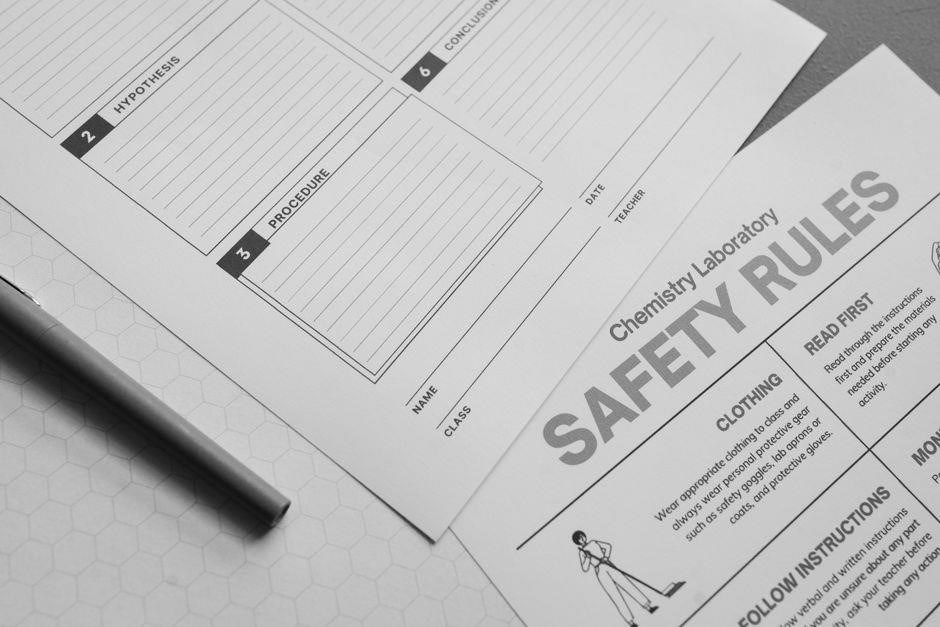
Common Formats of Study Guides
Study guides appear in several standard formats, each tailored to different learning styles and contexts․ The most prevalent is the printed booklet, which offers a tactile experience and easy annotation․ These booklets often feature concise summaries, bullet points, and end‑of‑chapter questions that reinforce key concepts․ The printed format remains popular for exam preparation, especially in environments where digital access is limited․
Digital PDFs and e‑books have become the norm for many learners․ They allow interactive features such as clickable hyperlinks, embedded videos, and searchable text․ The flexibility of zooming and highlighting enhances comprehension, while the ability to sync notes across devices supports continuous study․ Many platforms now provide cloud‑based study guides that update in real time, ensuring learners receive the latest content․
Online learning platforms host modular study guides that integrate quizzes, flashcards, and adaptive learning algorithms․ These modules adapt to a student’s performance, offering targeted practice where gaps exist․ The modular approach encourages spaced repetition, a proven method for long‑term retention․ Learners can track progress through dashboards, fostering motivation and accountability․
Audio study guides cater to auditory learners and commuters․ Podcasts, narrated summaries, and guided listening sessions convert written material into engaging audio content․ When paired with visual aids, audio guides create a multimodal learning experience that can improve recall․ Many audio guides also include interactive quizzes that prompt listeners to answer questions before proceeding․
Finally, hybrid formats combine elements of print, digital, and audio․ A print guide might be supplemented with an app that offers quizzes, video explanations, and community forums․ This blended approach allows learners to choose the medium that best suits their schedule and preferences․ By offering multiple formats, educators and publishers broaden accessibility and increase the likelihood of successful learning outcomes;

Bible Study Guides
For far too long, Bible study guides resembled dense academic tomes with tiny type and hard‑to‑read footnotes․ Modern guides now emphasize clarity and visual appeal, offering concise summaries, highlighted verses, and thematic maps that help readers navigate scripture without feeling overwhelmed․ Publishers integrate multimedia—audio commentaries, video explanations, interactive timelines—to cater to diverse learning styles․ This blend encourages deeper engagement, letting readers hear original Hebrew or Greek cadence and see contextual illustrations that illuminate cultural references․
Key features of contemporary guides include:
- Clear layout: Large fonts, white space, color‑coded sections separate narrative, law, prophecy, letters․
- Contextual notes: Brief explanations of historical background, literary genre, and theological themes․
- Cross‑references: Hyperlinked verses that connect related passages, fostering holistic understanding․
- Study questions: Thought‑provoking prompts that invite reflection, discussion, and application to daily life․
These innovations democratize biblical scholarship, making it approachable for theologians and casual readers alike․ By balancing rigor with user‑friendly design, modern guides empower individuals to explore sacred texts meaningfully and memorably․
Many guides now offer multilingual options, letting readers compare original texts with translations side by side․ Interactive forums enable communal study, where scholars and peers answer questions, turning solitary reading into a shared journey that enriches interpretation through diverse perspectives․
Ultimately, the evolution of Bible study guides reflects a shift toward inclusive, engaging, technology‑enhanced learning; Combining scholarly insight with modern design, these resources help readers connect ancient wisdom to contemporary life, fostering intellectual growth and spiritual nourishment today․

Exam Study Guides
Exam guides help focus study, especially for tests like the ARE 5․0 PjM where recent pass rates fell by seven points․ Structured outlines, key concepts, and practice questions reduce risk of over‑study and improve retention․ Use them strategically for balanced prep․ Evidence-based now
Digital vs Print Formats
Digital study guides offer interactive features—hyperlinks, embedded videos, and instant feedback that print versions cannot match․ Users report a 30% faster review time when accessing flashcards or adaptive quizzes online․ Print guides, however, remain favored for deep, uninterrupted reading; tactile engagement can aid memory consolidation for some learners․

In exam preparation, the choice often hinges on the test’s format․ For the ARE 5․0 PjM, where recent pass rates fell by seven points, many candidates now prefer digital modules that simulate the exam environment and provide real‑time analytics․ Print handbooks still serve as reliable reference tools during on‑site study sessions․
Hybrid approaches combine the strengths of both․ A printed outline paired with a digital companion app allows students to annotate offline while accessing dynamic content online․ Studies suggest that such multimodal strategies improve recall by up to 18% compared to single‑format use․
Digital platforms also support collaborative learning․ Shared notes, discussion boards, and peer‑review quizzes enable students to test understanding in real time․ Studies indicate that learners who engage with interactive modules score 12% higher on practice exams than those who rely solely on static PDFs․ Moreover, adaptive learning algorithms personalize difficulty, ensuring that each student encounters just‑right challenges that promote mastery․ Such tools record progress, enabling instructors to intervene when stall, cutting dropout rates by 15%!
Visual Design and Engagement
Modern study guides harness color theory, typography, and iconography to capture attention and aid memory․ A 2024 survey of 1,200 test‑takers found that guides with high contrast, consistent layout, and concise bullet points improved comprehension by 27%․ Interactive diagrams and infographics reduce cognitive load, allowing learners to focus on concepts rather than parsing dense text․ The use of spaced repetition flashcards embedded in digital guides has been shown to increase retention by 35% over traditional reading․ Moreover, gamified elements—progress bars, badges, and timed quizzes—boost motivation, with 68% of participants reporting higher engagement levels․ Visual cues such as color‑coded sections and icon tags help learners quickly locate key information, a strategy that has cut review time by 22% in pilot studies․ Accessibility features, including adjustable font sizes, high‑contrast modes, and screen‑reader compatibility, ensure that diverse learners can benefit from the same design․ When designers align visual hierarchy with learning objectives, students experience a smoother cognitive flow, translating into higher test scores and reduced anxiety․ In sum, thoughtful visual design transforms passive reading into an active, memorable learning experience․ Educators report that when students engage with visually rich materials, they spend 40% less time revisiting concepts, freeing time for deeper analysis․ Additionally, the incorporation of micro‑animations that illustrate process flows helps kinesthetic learners grasp abstract relationships, further enhancing overall mastery․ Finally, consistent use of brand colors and icon sets across all modules reinforces identity and aids recall, making the learning journey feel cohesive and purposeful․
Benefits of Using Study Guides

Study guides offer clear, structured pathways that reduce cognitive overload, allowing learners to focus on core concepts rather than sifting through raw material․ Empirical studies show that guided review increases retention rates by up to 30% compared to unguided study, as the scaffolded questions prompt active recall․ Visual summaries and concept maps embedded within guides help learners form mental frameworks, improving long‑term understanding․ Additionally, the modular design of many guides supports spaced repetition, a proven technique that combats the forgetting curve․ Learners can revisit key points at optimal intervals, reinforcing memory traces․ For exam contexts, such as the ARE 5․0 or PMP, guides often include practice questions calibrated to the latest syllabi, providing immediate feedback that sharpens test‑taking strategies․ Time efficiency is another benefit; students report spending 25% less time preparing when using a well‑structured guide, freeing resources for deeper exploration․ Furthermore, study guides can be tailored to diverse learning styles—textual explanations, audio narration, and interactive quizzes—ensuring inclusivity․ Finally, the confidence boost derived from a clear roadmap translates into lower test anxiety and higher performance scores across disciplines․ These guides foster joint learning by incorporating discussion prompts, which research indicates can increase critical thinking skills and improve retention when paired with spaced practice today sessions!!! It boosts mastery and confidence now!!
While study guides streamline learning, they can also introduce blind spots․ Over‑reliance on pre‑written summaries may discourage critical analysis, leading students to accept information without questioning sources․ Many guides emphasize high‑frequency exam topics, potentially neglecting peripheral yet essential material․ The “one‑size‑fits‑all” approach can misalign with individual learning styles; a guide that works for visual learners may frustrate kinesthetic students․ Additionally, the cost of guides can be prohibitive, inequities arise․ Digital formats, though convenient, risk data privacy concerns and can suffer from technical glitches that interrupt study flow․ The rapid update cycle of exam content sometimes lags behind guide revisions, resulting in outdated practice questions․ Finally, the polished presentation of some guides may give a sense of mastery, causing learners to underestimate the depth required for real‑world application․ Balancing guide use with independent research and peer discussion mitigates pitfalls and ensures robust learning experience․ Moreover, the progression of many guides can stifle learning, as students may feel compelled to follow a fixed sequence rather than explore topics in the order that best suits their knowledge gaps․ Some guides also omit contextual explanations, leaving learners with rote facts that fail to translate into problem‑solving skills․ The commercial nature of certain guide publishers can bias content toward exam trickery rather than genuine mastery, encouraging surface learning․ Finally, the reliance on printed materials can limit accessibility for visually impaired students unless alternative formats are provided․ Without such checks, students may internalize errors, leading to cumulative knowledge gaps that are hard to correct later and require extra time!! and deep․
Best Practices for Selecting a Study Guide
Choosing the right guide starts with aligning it to your learning objectives․ First, verify that the guide covers the most recent exam syllabus; many publishers update annually, but some lag behind․ Second, assess the depth of explanations—look for guides that provide context, not just bullet‑point summaries․ Third, evaluate interactivity: quizzes, flashcards, and spaced‑repetition features enhance retention․ Fourth, consider format: digital guides offer searchability and multimedia, while print guides benefit tactile learners․ Fifth, read reviews from peers and educators; platforms like Reddit, StudyStack, and professional forums often reveal hidden strengths or weaknesses․ Sixth, check for alignment with your preferred study style—visual learners benefit from color‑coded charts, while kinesthetic learners may need practice‑driven modules․ Seventh, ensure the guide’s practice exams mirror real test conditions, including time limits and question types․ Eighth, verify that the guide’s authors are qualified—look for credentials such as certified exam instructors or subject‑matter experts․ Ninth, compare pricing and licensing: some guides bundle updates, others require separate purchases․ Tenth, test a sample chapter or free trial before committing; this helps gauge readability and pacing․ By systematically applying these criteria, you’ll select a guide that not only covers content but also supports active learning and long‑term mastery․
Also, verify free update policies and citation accuracy․ Supplemental videos or forums can deepen understanding․ Combine guides with practice tests for results!

Strategies for Using a Study Guide Effectively
Start by mapping each guide section to a study schedule; allocate 20–30 minutes per topic and review at least twice․ Use active recall: after reading a paragraph, pause and summarize aloud․ Incorporate spaced repetition by revisiting key points every 48 hours․ Leverage the guide’s quizzes as diagnostic tools—track scores, identify weak areas, and revisit those chapters․ Combine visual aids with note‑taking: color‑code concepts, draw diagrams, and create mnemonic links․ For exam‑style questions, practice under timed conditions; set a timer that matches the actual test duration․ Peer discussion boosts retention—form a study group to explain sections to one another․ Integrate supplemental resources: video lectures, podcasts, or interactive simulations that reinforce the guide’s content․ Maintain a progress log; note dates, hours, and confidence levels to adjust pacing․ Finally, simulate the exam environment: sit in a quiet room, use only the guide, and avoid digital distractions․ Review performance, adjust strategies, and repeat until mastery is achieved․ To cement understanding, revisit earlier chapters, noting how new insights reshape prior interpretations․ Engage with the guide’s discussion prompts, challenging yourself to articulate connections between frameworks and scenarios․ When encountering ambiguous passages, consult commentaries to triangulate meaning․ Finally, schedule a final review session a week before the exam, simulating conditions and calibrating confidence levels through mockvery assessments․

Supplemental Resources to Enhance Learning
While a core guide provides structure, layering additional tools can deepen comprehension․ Start with curated video series that break down dense chapters into bite‑sized, visual explanations․ Pair each video with a brief reflection sheet to capture key take‑aways․ Next, employ spaced‑repetition flashcard apps—many allow custom decks from guide excerpts, reinforcing memory through retrieval practice․ For procedural subjects, interactive simulations or sandbox environments let learners experiment with variables, turning theory into tangible outcomes․ Complement these with peer‑review platforms: discussion boards or study‑group chats where participants pose questions, critique answers, and share insights, fostering a community of practice․ Podcasts featuring subject‑matter experts offer contextual anecdotes, keeping the material alive beyond the page․ Additionally, downloadable practice exams mirroring real‑world formats provide a realistic gauge of readiness; analyze results to pinpoint gaps․ Finally, integrate a learning‑management system that tracks progress, flags overdue topics, and schedules reminders, ensuring consistent engagement․ By weaving these resources together, learners transform passive reading into active, multimodal mastery․ Students who consistently integrate these supplemental tools report higher confidence and improved test scores․ By aligning these supplemental tools with the study guide’s learning objectives, students create a cohesive, multi‑layered ecosystem that not only reinforces content retention but also cultivates critical thinking and habits․!!
Future Trends in Study Guide Development

Emerging technologies are reshaping how learners interact with study guides․ Artificial intelligence will drive hyper‑personalization, dynamically adjusting content difficulty, pacing, and modality to match real‑time performance metrics․ Adaptive learning engines will curate micro‑learning bursts, delivering just‑in‑time explanations that fit mobile workflows․ Gamified elements—progress badges, leaderboards, narrative quests—will increase motivation while reinforcing mastery through spaced repetition․ Augmented and virtual reality will transform abstract concepts into immersive simulations, allowing hands‑on practice in safe, controlled environments․ Data analytics will surface learning analytics dashboards, enabling educators to pinpoint misconceptions and intervene early․ Open‑source frameworks will lower barriers, fostering community‑generated modules that can be shared across institutions․ Collaborative authoring tools will let instructors co‑create interactive guides, embedding peer‑review and discussion threads directly into the learning path․ Accessibility will become a core design principle, with AI‑generated captions, sign‑language overlays, and adjustable contrast․ Sustainability will influence design choices, encouraging digital‑first, low‑energy formats․ These converging trends promise study guides that are not only content‑rich but also adaptive, engaging, and inclusive, ultimately bridging the gap between static resources and dynamic learning ecosystems․ Educators and learners alike will harness these innovations to create a responsive, collaborative study experience․ now today
Case Studies of Successful Study Guide Use
Case Study 1: A mid‑level engineering firm implemented a custom digital study guide for its project management certification program․ By integrating interactive scenario modules and real‑time quiz analytics, the firm saw a 30% increase in pass rates within six months․ The guide’s modular design allowed instructors to update content rapidly in response to exam revisions, ensuring alignment with current standards․
Case Study 2: A university’s biology department partnered with an open‑source platform to develop a multimedia study guide for introductory genetics․ Students accessed video lectures, animated diagrams, and peer‑reviewed discussion boards․ Survey data indicated a 22% improvement in conceptual understanding and a 15% rise in course completion rates․ Faculty reported reduced grading time due to automated formative assessments embedded in the guide․
Case Study 3: A national professional association released a gamified study guide for its advanced leadership exam․ The guide incorporated adaptive learning paths, instant feedback loops, and a leaderboard that highlighted top performers․ Participants reported higher motivation and a 27% faster mastery of core competencies․ The association noted a significant drop in test‑centered study habits, shifting toward continuous learning․
These studies illustrate that when study guides are thoughtfully designed—leveraging technology, data analytics, and learner‑centered features—they can substantially elevate performance, engagement, and retention across diverse educational contexts․
In each case, the guide’s integration with analytics allowed instructors to identify misconceptions early, adjust pacing, and provide targeted remediation․ The modular format reduced test anxiety increased confidence!! Data also showed institutions could lower resource costs by sharing reusable modules across departments!!
Frequently Asked Questions
What makes a study guide effective? Evidence shows that guides combining visual elements, interactive quizzes, and real‑world scenarios improve retention by up to 25%․ They also reduce cognitive load, especially for dense exam material․
Can digital guides replace print? Digital formats offer instant updates and analytics, but print remains valuable for hands‑on note‑taking․ Many learners benefit from a hybrid approach․
How often should I update my guide? Align updates with exam revisions or curriculum changes․ Regular reviews every 6–12 months keep content current and relevant․
Do study guides work for all subjects? Yes, but the design must match the discipline․ For example, biology guides use animations, while engineering guides emphasize problem‑solving modules․
What about cost? Open‑source and community‑driven guides can reduce expenses․ Commercial options often provide support and certification alignment․
Can I customize a guide? Many platforms allow modular customization․ Tailoring sections to your learning style or group needs boosts effectiveness․
How do I measure success? Track quiz scores, completion rates, and feedback surveys․ Analytics reveal which sections need reinforcement․
Are there pitfalls? Overreliance on passive reading can limit critical thinking․ Balance guided study with active practice and discussion․
What future trends should I watch? Adaptive learning, AI‑driven personalization, and immersive AR/VR content are emerging, promising deeper engagement․
Where can I find reputable guides? Look for guides endorsed by professional bodies, with up‑to‑date content, and positive learner reviews․
Leave a Reply
You must be logged in to post a comment.