totguard electric bike manual
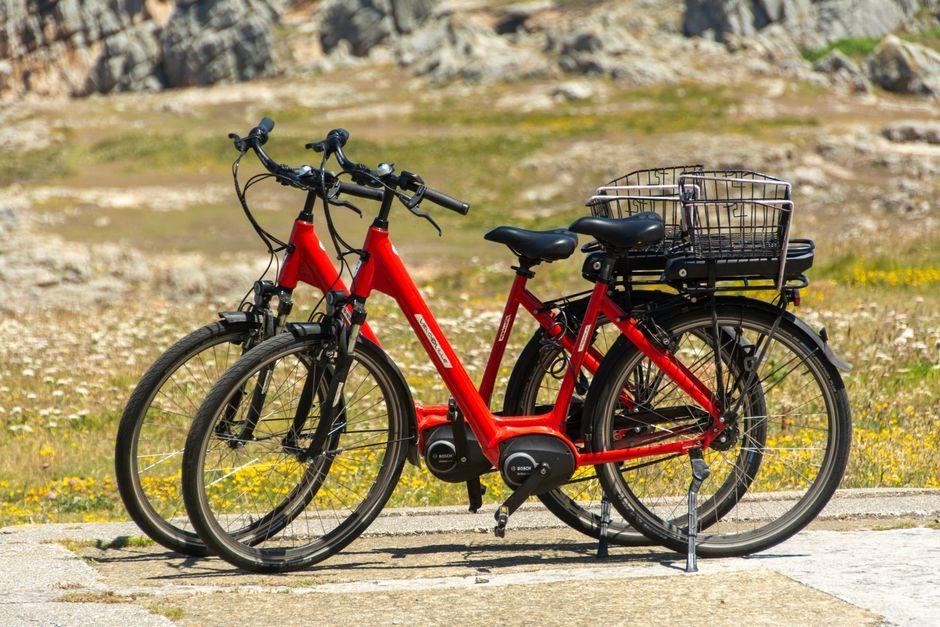
Welcome to the TotGuard Electric Bike Manual. This guide, updated as of 09/30/2026, covers essential information for safe and efficient use. It references the official menu PDF (pages 15‑16) and community insights from r/ebikes for real‑world tips. Boost safety and performance now
Purpose of the Manual
This manual serves as the definitive reference for owners and riders of the TotGuard electric bike, providing clear instructions that cover everything from initial setup to advanced troubleshooting. It consolidates manufacturer specifications, safety guidelines, and explanations of the bike’s electronic systems, ensuring every rider can operate the vehicle confidently and responsibly. By detailing throttle, pedal‑assist modes, display interface, and battery management, the manual empowers users to customize their riding experience while maintaining optimal performance and safety. The guide includes maintenance routines and troubleshooting charts, allowing riders to diagnose and resolve common issues without unnecessary downtime. The manual’s structured layout, with concise sections, facilitates rapid learning and easy navigation. Whether you are a first‑time electric‑bike rider or an experienced enthusiast, this manual is designed to help you unlock the full potential of your TotGuard bike, ensuring a enjoyable, and safe ride every time.
Furthermore, the manual addresses common questions raised on community forums such as r/ebikes, incorporating user‑reported solutions and clarifications that enhance reliability. It references the official menu PDF (pages 15‑16) for configuration options, ensuring users can fully exploit the bike’s capabilities. By following the guidelines here, riders reduce mechanical failure risk, extend component life, and enjoy a safer, more efficient ride today!!!
Target Audience
Designed for a broad spectrum of TotGuard electric bike users, this manual speaks directly to new owners eager to master the fundamentals, seasoned riders seeking advanced configuration, and maintenance technicians who need precise component data. Whether you are a commuter navigating city streets, an outdoor enthusiast exploring off‑road trails, or a hobbyist participating in community forums such as r/ebikes, the guide offers step‑by‑step instructions tailored to your experience level. The manual also addresses power‑train specialists who require detailed information on the motor, controller, and battery system, as well as safety officers who must verify compliance with local electric‑vehicle regulations. By integrating the official menu PDF (pages 15‑16) and real‑world insights from the Reddit community, the document ensures that every reader—from first‑time users to seasoned technicians—has the knowledge to operate, configure, and maintain the TotGuard bike safely and efficiently. The content is organized to provide quick reference sections, comprehensive setup procedures, and troubleshooting flows that accommodate both novice and expert users, making it an indispensable resource for anyone who owns, rides, or maintains a TotGuard electric bike.
Users who engage with the TotGuard platform often seek deeper insights into battery health, regenerative braking, and firmware updates. By consulting the official menu PDF and community discussions, riders can fine‑tune settings, monitor real‑time data, and troubleshoot common issues. This section consolidates best practices, ensuring a reliable and enjoyable riding experience all!!!
Safety Instructions
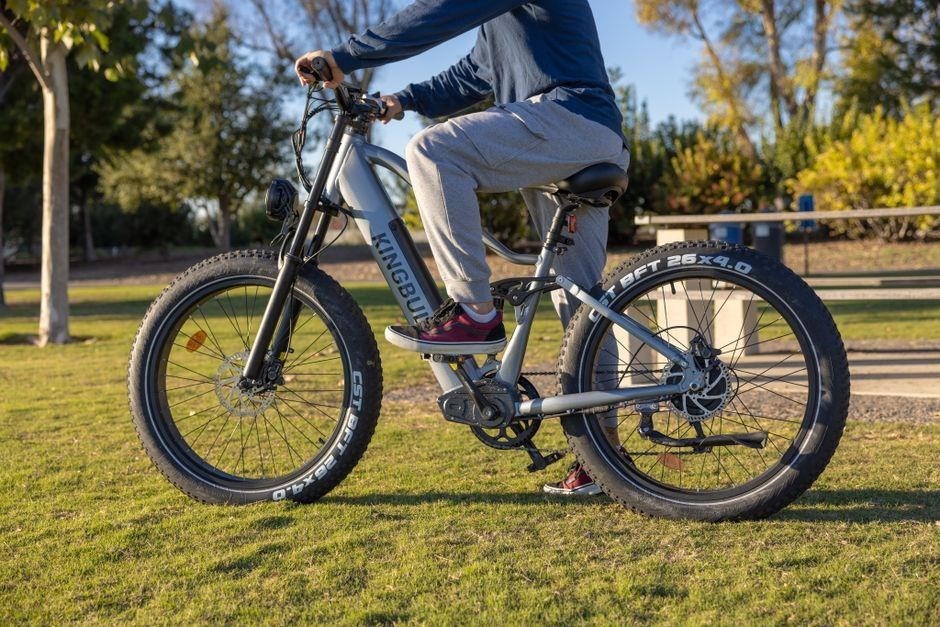
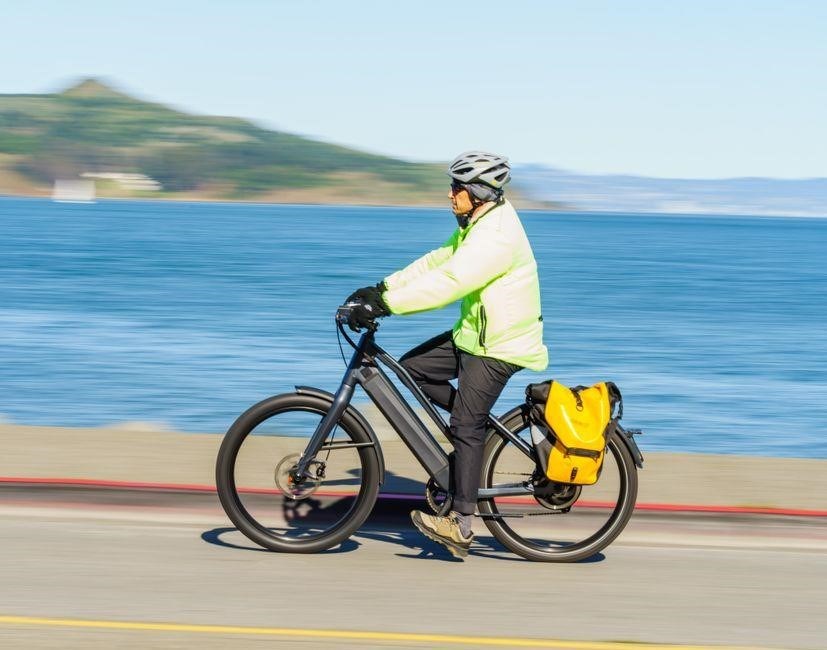
Before riding, inspect brakes, tires, and battery. Keep the bike on a flat surface while charging. Wear protective gear, avoid overloading. Never operate in wet conditions unless rated. Follow the manufacturer’s guidelines and local regulations for electric vehicles
General Safety Precautions
Before each ride, perform a quick inspection: check tire pressure, ensure brakes function, and confirm the battery is fully charged. Keep the bike on a stable surface during charging to prevent accidental movement. Wear a helmet and protective gear, especially when traversing uneven terrain. Avoid riding in heavy rain unless the bike is rated for wet conditions, as moisture can affect electrical components.
Never exceed the maximum rider weight specified in the manufacturer’s data sheet. Keep the throttle and pedal assist within recommended limits to avoid overheating the motor. Follow local traffic laws and use hand signals when turning. Store the battery in a dry, cool place when not in use to prolong its lifespan.
Always wear a full-face helmet, gloves, and reflective clothing to increase visibility. Inspect front and rear lights before each ride; replace bulbs if dim. Use hand signals: a left arm extended for left turns, right arm for right turns, and a raised hand for stops. Adhere to local traffic regulations, yielding to pedestrians and obeying stop signs. Keep the bike’s speed within safe limits for the terrain. Remember to keep emergency numbers on hand and familiarize yourself with local emergency services. Stay!!
In an emergency, pull over to a safe spot, apply the brake, and use the horn to alert others. If a mechanical fault occurs, disconnect the battery and inspect the issue. For injuries, seek medical attention promptly. Report any accidents to local authorities and contact TotGuard support for assistance. Maintain a log of incidents for future reference. Refer to manual for emergency steps! If a malfunction occurs, use the diagnostic mode to identify the issue before proceeding now.
Electrical Safety
Before operating the TotGuard electric bike, ensure the battery is fully charged and the charger is in good condition; Use only the supplied charger and avoid using third‑party adapters, as mismatched voltage can damage the battery or create fire hazards. Keep the charger and battery in a dry, well‑ventilated area; moisture can short‑circuit the cells. Do not expose the battery to temperatures above 45 °C or below 0 °C, as extreme heat or cold can degrade performance and increase the risk of thermal runaway. When disconnecting the battery, first turn off the power switch, then release the latch; never pull the battery cable while the system is live. Inspect the cable for cuts, fraying, or exposed conductors; replace any damaged cable immediately. Do not attempt to repair the battery or its internal components; contact TotGuard support for professional service. Keep the bike’s electrical components away from water, and if the bike is exposed to rain, allow it to dry completely before charging or riding. Use a grounded outlet and verify that the plug is secure; avoid using extension cords unless they are rated for outdoor use. If you notice any unusual heat, odor, or swelling in the battery, stop use immediately, disconnect the charger, and contact customer support. By adhering to these precautions, you protect yourself, the bike, and the environment from electrical hazards. Keep the battery cool, dry, and at temperature.
Bike Overview
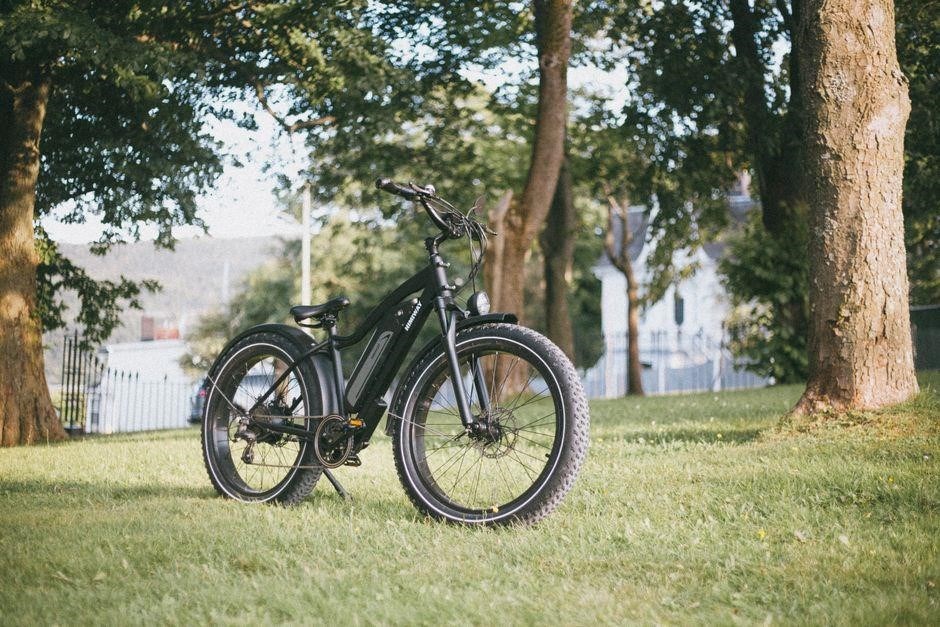
The TotGuard electric bike blends robust fat‑tire design with a 500 W motor, 48 V battery, and 7‑speed hub. It offers 45 km range, 25 km/h top speed. Lightweight aluminum frame, dual‑brake system, and intuitive LCD menu provide reliable performance. Enjoy. Ride!!
Specifications and Performance
Engineered for versatility, the TotGuard electric bike features a 500 W mid‑drive motor that delivers 35 Nm torque, enabling smooth acceleration from 0 to 25 km/h in under 6 seconds. The 48 V, 14 Ah lithium‑ion battery supplies up to 45 km of range on a single charge, depending on terrain and rider weight. With a maximum speed of 25 km/h, the bike complies with most local e‑bike regulations.
The aluminum alloy frame measures 42 cm in height, with a 26‑inch fat tire width of 4.5 in. A 7‑speed Shimano Nexus hub offers flexible gearing for hills and flat roads alike. Hydraulic disc brakes on both wheels provide consistent stopping power in wet or dry conditions.
Onboard electronics include a 2.8‑inch TFT display that shows speed, battery level, distance, and assist mode. The integrated 10‑amp controller manages power distribution and protects against overcurrent. A 3‑phase sensor system ensures precise pedal‑assist response.
Weight is 18.5 kg, making it manageable for most riders while maintaining structural integrity. The bike’s ergonomic saddle and adjustable stem allow customization for rider height up to 190 cm. All components are sealed against dust and water (IP54 rating).
Optional accessories such as a rear rack, fender kit, and integrated LED lighting can be added without compromising performance. The TotGuard bike is designed for both urban commuting and off‑road exploration, offering a reliable, low‑maintenance power solution.

Key Components
At the heart of the TotGuard electric bike is a 500 W mid‑drive motor that sits between the cranks and the chainring, providing a smooth, torque‑rich ride. The motor is paired with a 48 V, 14 Ah lithium‑ion battery that mounts on the downtube for optimal weight distribution. A 10‑amp controller sits between the battery and motor, regulating power flow and protecting the system from overcurrent. The 2.8‑inch TFT display, mounted on the handlebars, offers real‑time data on speed, battery level, distance, and assist mode, and can be accessed via a simple menu interface. Hydraulic disc brakes on both wheels deliver consistent stopping power in all weather conditions, while a 7‑speed Shimano Nexus hub gives riders flexibility on varied terrain. The aluminum alloy frame is lightweight yet sturdy, and the 26‑inch fat tires (4.5 in wide) provide excellent traction and stability. Additional accessories such as a rear rack, fender kit, and integrated LED lighting can be added without compromising performance. The bike also incorporates a 3‑phase sensor system that detects cadence and torque, allowing the controller to adjust assist levels smoothly. The frame geometry features a 70‑mm headtube angle and a 60‑mm seat tube length, offering a comfortable riding posture for a wide range of rider heights. The integrated USB charging port enables quick top‑up during stops. The battery compartment is sealed with a rubber gasket, preventing moisture ingress and extending battery life. The display’s backlight is adjustable, allowing visibility in low‑light environments. A quick‑release lever on the rear wheel simplifies tire changes, and the integrated kickstand offers stability when parked. The bike’s firmware is upgradable via a USB interface, enabling future feature enhancements.
Setup and Installation
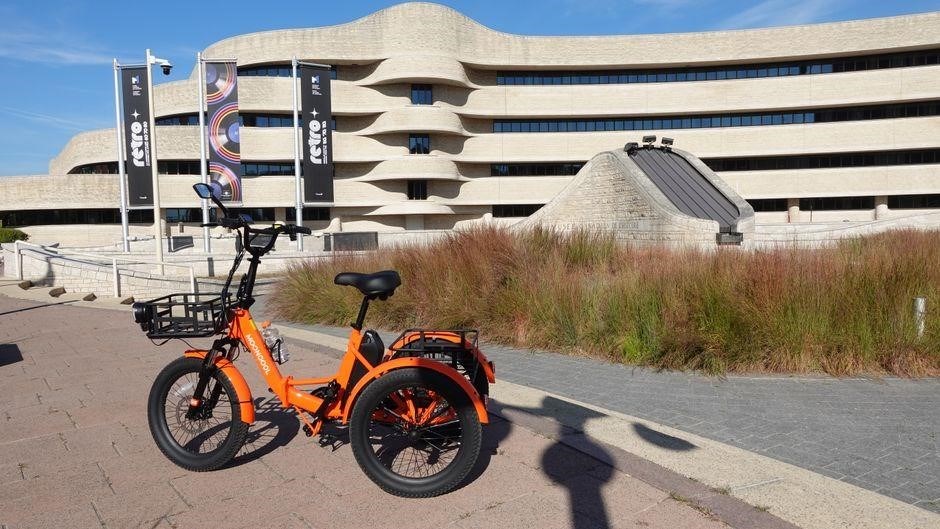
Unbox the TotGuard, verify parts, mount battery on downtube, connect controller, attach motor, secure brakes, install display, set up charging port, adjust seat, test throttle, calibrate assist, perform safety check before riding. Enjoy your ride Sa
Unboxing Checklist
Before you begin assembling your TotGuard electric bike, ensure every component is present and intact. Follow this detailed inventory to avoid missing parts or damaged items during setup. 1. Frame and fork – inspect for scratches, dents, and correct model number. 2. Front and rear wheels – verify rim integrity, spoke tension, and tire condition. 3. 26‑inch fat‑tire set – check tread depth and valve type. 4. Motor unit – confirm mounting brackets, wiring harness, and torque specifications. 5. Battery pack – look for corrosion, secure latches, and correct voltage rating. 6. Controller – ensure firmware version matches the manual, inspect connectors. 7. Display unit – test screen responsiveness, button layout, and firmware update capability. 8. Pedal‑assist sensor – verify alignment and mounting screws. 9. Throttle – test twist action and resistance. 10. Brakes – inspect calipers, pads, and hydraulic lines. 11. Cables – check for fraying, proper labeling, and correct routing. 12. Accessories – helmet, lock, lights, and fenders. 13. Tools – torque wrench, Allen set, and screwdriver. 14. Documentation – user manual, warranty card, and PDF menu guide. 15. Packaging – keep all boxes, foam, and protective covers for future reference or returns. If any item is missing or damaged, contact the retailer immediately before proceeding. This checklist ensures a smooth, safe, and compliant assembly experience. Additionally, verify that the battery charger is included and that the charging cable is in good condition. Place all components on a clean, flat surface to avoid scratches. Keep the original packaging for warranty claims. Finally, double‑check the serial numbers on the frame and battery against the documentation to confirm authenticity. This meticulous approach guarantees a trouble‑free start to your riding adventures.
Battery Installation and Charging
Before mounting the battery, verify the pack’s voltage and capacity match the specifications listed on the frame’s battery bay. Remove the protective foam and inspect the connector pins for corrosion. Align the battery’s positive (+) and negative (–) terminals with the bay’s markings; a mis‑polarity will trigger a safety cut‑off. Secure the pack using the provided mounting brackets and lock nuts, tightening each nut to the torque value indicated in the PDF menu guide (page 15). Once the battery is seated, connect the charging cable to the rear port, ensuring a snug fit to prevent accidental disconnection during rides; Plug the charger into a grounded outlet; the charger’s LED should flash amber during the initial pre‑charge cycle. Allow the battery to reach 100 % before first use; the display will indicate full charge once the LED turns green. For optimal longevity, store the battery in a cool, dry place and avoid exposing it to temperatures below 0 °C or above 45 °C. Periodically check the battery’s voltage with a multimeter; if the voltage drops below 3.5 V per cell, recharge immediately to prevent deep‑discharge damage. The charger’s built‑in temperature sensor will automatically shut down if the ambient temperature exceeds safe limits. When the battery reaches full charge, the charger will switch to a maintenance mode, keeping the pack at 80 % to reduce stress on the cells. Disconnect the charger after the maintenance cycle completes; the LED will return to a steady green. Keep the battery charged between 20 % and 80 % for health and longevity,daily
Operating the TotGuard Electric Bike
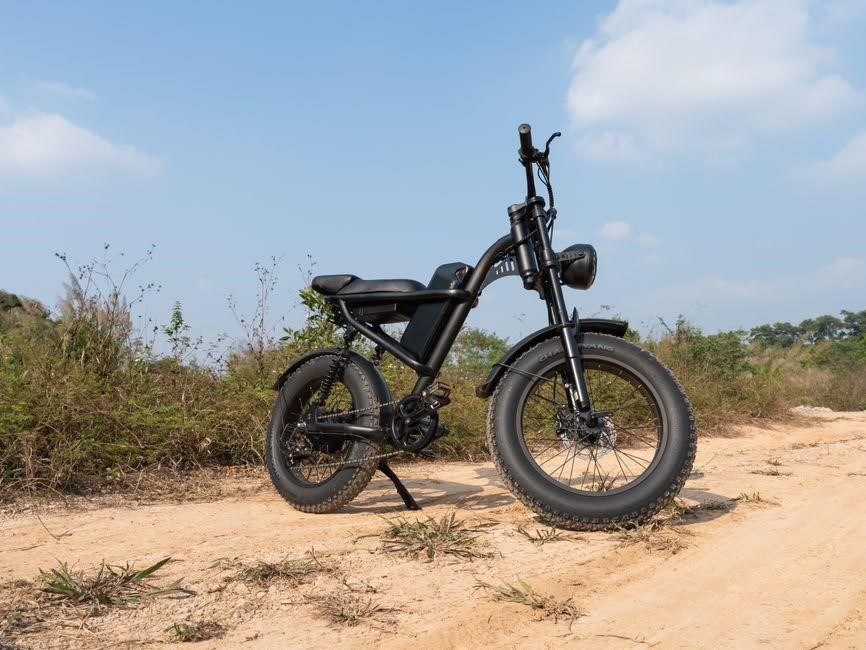
The TotGuard’s throttle offers instant power, while the pedal‑assist mode adjusts torque based on cadence. Use the display to toggle between Eco, Normal, and Sport, and to monitor speed, battery, and range. Always check the brake status before each ride and keep the battery above 20%.
Throttle and Pedal Assist Modes
Throttle’s response curve is linear, meaning a 50 % twist yields roughly half the maximum power. The pedal‑assist system uses a cadence sensor to gauge rider effort, offering three assist levels: Eco, Normal, and Sport. Eco prioritizes battery longevity, limiting torque to 30 % of the motor’s peak. Normal provides balanced performance, while Sport pushes torque to 70 % for aggressive climbs. Switching modes is done via the main display menu (see pages 15‑16 of the official PDF). The display also shows real‑time torque output, allowing riders to fine‑tune their riding style. For safety, the throttle is disabled automatically when the brake is engaged. Riders should practice throttle modulation in a controlled environment before tackling uneven terrain. The pedal‑assist sensor recalibrates after each battery charge, ensuring consistent response. When riding in mixed conditions, starting in Eco mode conserves battery, then shifting to Sport when extra power is needed. Wear a helmet and obey traffic laws. The firmware supports over‑the‑air updates that refine motor control and improve battery efficiency, accessible via the TotGuard mobile app over Bluetooth. When operating in urban settings, the low‑speed assist mode provides gentle torque, making starts on cobblestones or steep city inclines smoother. Always monitor the battery indicator; when the charge falls below 20 %, switch to Eco! mode to extend range and avoid power loss!!
Using the Display and Menu Settings
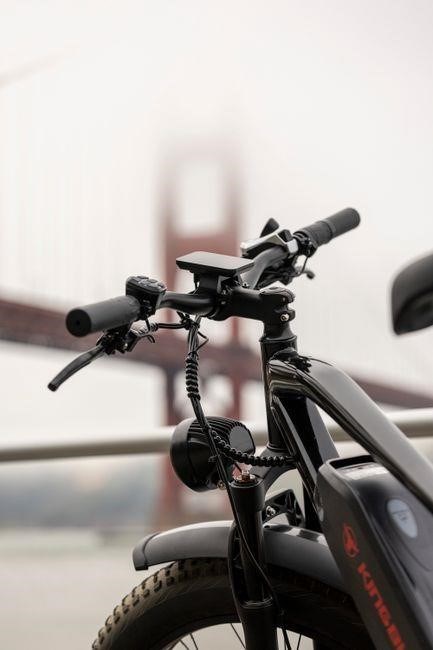
The TotGuard electric bike features a high LCD that remains readable under direct sunlight. The main screen shows speed, battery percentage, distance traveled, and selected assist mode. To access the menu, press the small button located on the left handlebar; a blue LED will flash to confirm entry. The menu is organized into three primary sections: System, Performance, and Diagnostics. Within System, users can set language, time, and unit preferences (mph/kph). Performance allows adjustment of pedal‑assist sensitivity, throttle response, and maximum speed limits. The display also supports a night mode that switches to a low‑brightness, amber‑backlit screen to reduce glare. For firmware updates, connect the bike to the TotGuard mobile app via Bluetooth; the app will prompt the user to download the latest version, which can be installed directly from the display menu. Users can also reset the bike to factory settings by holding the button for five seconds while the LED blinks rapidly. All menu changes are saved automatically and can be reviewed by scrolling back to the previous screen. The display’s battery icon changes color from green to red as the charge drops below 20 %, prompting the rider to recharge. The manual PDF (pages 15‑16) provides a detailed diagram of each menu item and its function. Following these steps ensures optimal configuration and a safer riding experience!!
Maintenance and Troubleshooting
Check battery, tire pressure, and chain lubrication weekly. If motor stalls, reset via button hold. Inspect brakes for wear; replace pads if worn. For software glitches, update firmware through the app. Contact support for persistent issues !!!
Routine Maintenance Checklist
Perform the following tasks regularly to keep your TotGuard electric bike running smoothly. Follow the schedule below and keep a log for each session.
- Weekly: Inspect tires for punctures, check tread depth, and inflate to the manufacturer’s recommended PSI. Verify that the brake levers feel firm and that the calipers are properly aligned.
- Bi‑weekly: Clean the chain, cassette, and derailleur with a degreaser, then lubricate the chain with a bike‑specific oil. Inspect the rear hub for smooth rotation and tighten any loose bearings.
- Monthly: Examine the battery housing for cracks or corrosion. Clean the contacts with a dry cloth and ensure the battery is seated correctly. Charge the battery fully before storage.
- Quarterly: Test the throttle response and pedal‑assist sensor. If the motor feels sluggish, reset the controller via the button sequence described in the troubleshooting section. Check all electrical connections for tightness.
- Annually: Have a professional service the drivetrain, suspension, and frame for any signs of wear or damage. Replace worn brake pads, cables, and shifters. Update the firmware through the official TotGuard app to ensure optimal performance.
Keep a maintenance log with dates, observations, and any parts replaced. This record helps identify recurring issues and extends the lifespan of your bike. Remember to replace worn components promptly and consult the official guide!!
Leave a Reply
You must be logged in to post a comment.