miele washer manual
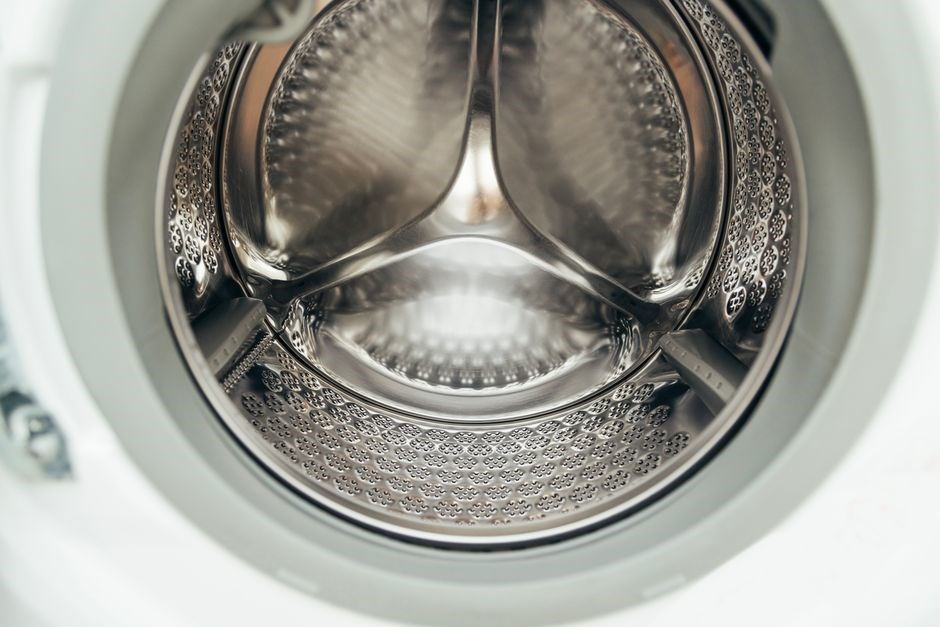
Welcome to the Miele washer manual guide. This concise overview introduces key features, safety tips, and setup steps, ensuring you start your laundry journey with confidence. Read on to master efficient and reliable washing performance Follow diagrams for setup, check the guide, friendly run.! Enjoy. Great!
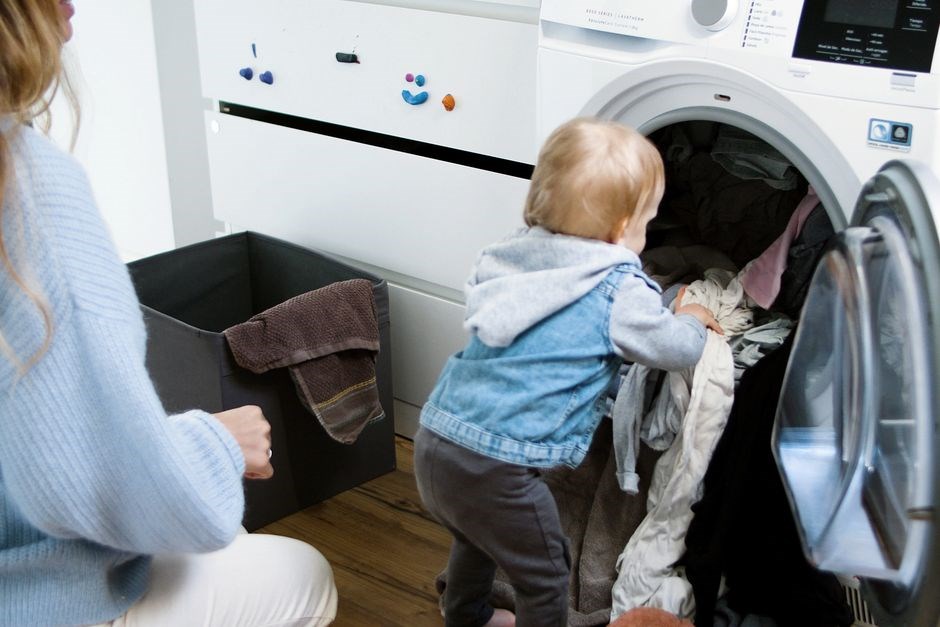
Unpacking and Initial Setup
Carefully remove the Miele washer from its packaging, check for damage, and place it on a level surface. Connect the water supply, attach the drain hose, and secure the unit with the provided brackets. Verify all connections, then power on to complete the initialsetup.
Unpacking Your Miele Washer
Begin by carefully removing the appliance from its protective packaging. Inspect the outer box for any visible damage that might indicate mishandling during transit. If the box shows dents or broken seals, contact the retailer or Miele customer service before proceeding. Once the box is verified, lift the washer onto a flat, stable surface, preferably a dedicated laundry floor or a padded mat to absorb vibrations. Use a dolly or hand‑trolley if the unit is heavy; Miele washers can weigh up to 120 kg, so proper lifting technique is essential to avoid injury or damage. After positioning, open the door or lid of the washer and gently remove all packing materials, including foam, cardboard, and protective film. Keep the foam pieces for future use, as they can be reused to cushion the machine during transport or storage. Next, locate the instruction manual and warranty booklet that came with the appliance. Place these documents in a safe, dry spot for easy reference during installation and future maintenance. Verify that all components listed in the manual are present: the main unit, control panel, water inlet hoses, drain hose, and any mounting brackets. If any part is missing or damaged, report it immediately. Finally, check the washer’s exterior for scratches or dents that might have occurred during shipping. Document any issues with photographs and contact Miele support for guidance. This thorough unpacking process ensures the appliance is ready for safe installation and long‑term performance.
Check the floor level and secure the washer before connecting water and drain hoses firmly.
Installing the Washer
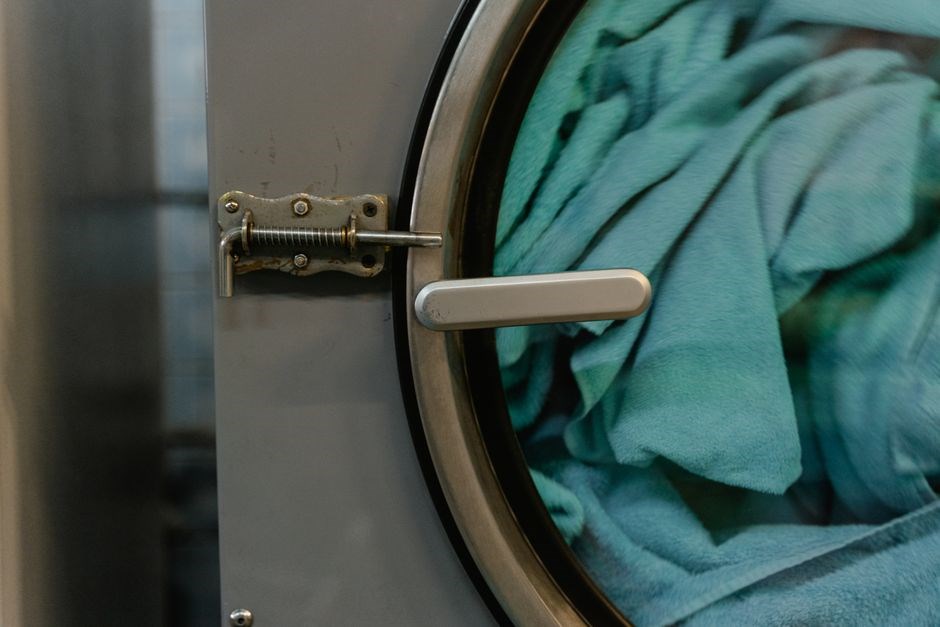
Step 1: Position the unit on a level surface. Use a spirit level to confirm. Adjust the feet until the washer sits evenly. Step 2: Connect the water supply hoses. Attach the cold water hose to the inlet valve on the back of the washer, ensuring a tight fit. Repeat for hot water if applicable. Step 3: Attach the drain hose to the drain outlet. Route the hose to a suitable drain or pump, keeping the hose elevated to avoid backflow. Step 4: Secure the washer with mounting brackets or a locking strap if required by local codes. Step 5: Plug the appliance into a grounded outlet. Verify the voltage matches the specification. Step 6: Run a test cycle with no laundry to check for leaks and proper operation. If any water appears, tighten connections. Step 7: Label the control panel for easy reference. Keep the manual nearby for future maintenance. Step 8: Clean the surrounding area and store packaging materials safely. Follow local regulations for disposal of packaging. By following these steps, the washer will be safely installed and ready for use. Additionally, ensure that the drainage path is clear of kinks or obstructions, as this can lead to reduced performance or water damage. Check that the water pressure is within the recommended range of 0.5 to 1.5 bar to avoid over‑pressure or under‑pressure issues. Inspect the door seal for any signs of wear or residue; a clean seal guarantees optimal wash cycles and prevents leaks. Finally, test the safety lock feature by opening the door during a cycle; the washer should automatically pause, confirming the lock is functioning correctly.
Control Panel Overview
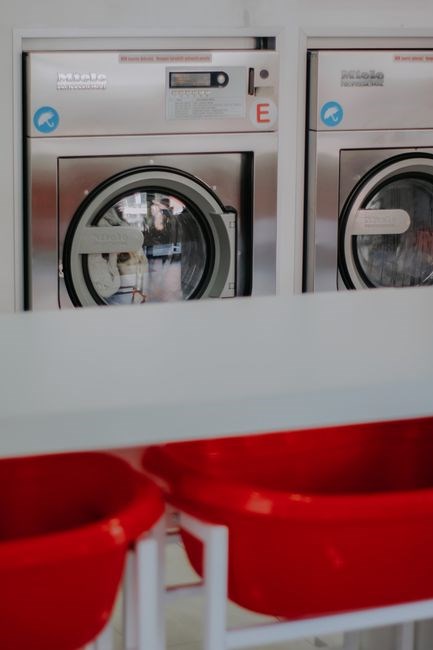
The control panel features a clear digital display, intuitive buttons, and a touch‑sensitive dial. It shows cycle status, remaining time, and temperature. The LED indicators illuminate for power, water level, and error codes, guiding users through each wash cycle. The panel also offers quick‑start feature.
Display and Indicators
The Miele washer’s display is a high‑resolution, backlit screen that presents real‑time information such as cycle progress, remaining time, and temperature settings. The LED indicator lights provide quick visual cues: a steady green light confirms power and readiness, while a blinking amber light signals a water level or drain issue. When a fault occurs, a specific error code appears on the screen, allowing users to reference the manual for troubleshooting; The display also offers a “Quick‑Start” shortcut, enabling users to begin a wash with a single press of the start button. For accessibility, the panel supports a high‑contrast mode, and the touch‑sensitive controls respond to gentle taps, reducing the need for physical button presses. Additionally, the washer’s display can be customized to show energy consumption and estimated cost per cycle, helping users manage utility usage efficiently. The combination of clear visual feedback and intuitive controls ensures that even first‑time users can navigate the machine with ease, while seasoned users appreciate the precise information available at a glance. The interface also features a dedicated “Eco‑Mode” indicator that lights when the selected program optimizes water and energy usage. Users can toggle between “Standard” and “Eco” by pressing the mode button, and the display will update accordingly. The washer’s firmware updates are delivered via a USB port; after an update, the screen will briefly flash a progress bar, then reboot. If the machine detects a firmware mismatch, the display will show a warning icon and prompt the user to contact support. For multilingual households, the screen can switch languages by holding the language button for three seconds, cycling through the available options. The display’s brightness can be adjusted through the settings menu, allowing operation in both bright kitchen environments and dimly lit laundry rooms. Finally, the washer’s “Smart‑Connect” feature, when enabled, displays a Wi‑Fi icon that indicates connectivity status, and users can monitor cycle progress remotely through the Miele app. Users should also note that the display will automatically dim after a period of inactivity to conserve power, and can be reset by pressing the power button. The washer’s design includes a small, unobtrusive LED that indicates when the door is closed, preventing accidental opening during a cycle. In addition, the machine’s built‑in timer can be set to delay start, and the display will show the countdown until the cycle begins. This feature is especially useful for scheduling laundry during off‑peak hours. The washer’s user interface is engineered for durability, with a reinforced glass panel that resists scratches and fingerprints, ensuring the display remains clear over time.
Buttons and Functionalities
Each button on the Miele washer is engineered for precision and ease of use. The main control panel features a start/stop button that initiates or pauses the selected cycle, a power button that toggles the machine on or off, and a temperature selector that allows users to set the maximum wash temperature from 30°C to 90°C. The cycle selector wheel offers a range of pre‑set programs—such as Cotton, Wool, Delicate, and Quick—each with a dedicated icon for quick recognition. Pressing the corresponding icon brings up a brief description on the display, helping users choose the optimal setting for their load. Additional buttons include a delay start function that lets you set a timer up to 24 hours before the cycle begins, and a rinse‑only option for light‑soiled garments. The machine also features a “Smart‑Wash” button that, when activated, automatically adjusts water level and spin speed based on load size and fabric type. For users who prefer manual control, the “Manual” mode allows independent adjustment of wash time, spin speed, and water level, with real‑time feedback displayed on the screen. For accessibility, the buttons are large, tactile, and spaced to accommodate users with limited dexterity. A dedicated “Reset” button clears error codes and returns the machine to its default state. The “Help” button opens a quick‑reference guide on the display, summarizing common settings and troubleshooting steps. Finally, the washer’s firmware can be updated via a USB port; after inserting the update drive, the “Update” button initiates the process, with progress shown on the screen.!!
Choosing the Right Wash Program
Choosing the right wash program ensures optimal cleaning while preserving fabric integrity. Miele offers a range of cycles—Cotton, Wool, Delicate, and Quick—each tailored to specific loads. Select the program that matches your garment type, load size, and soil level for best results. Use sensor for water!!!
Program Options and Their Uses
Miele washers feature a diverse array of wash programs, each crafted to meet distinct fabric needs and soil levels. The “Cotton” cycle delivers a vigorous wash for sturdy textiles, using high‑speed spin and extended rinse to lift tough stains. “Wool” offers gentle agitation and a reduced spin speed, safeguarding delicate fibers while still cleaning thoroughly. The “Synthetics” program targets polyester and nylon blends, applying moderate agitation to prevent shrinkage and preserve color. “Delicates” is tailored for lace, silk, and fragile items, combining low‑speed spin with a brief wash to minimize abrasion. The “Quick” cycle is ideal for lightly soiled garments, completing a wash in under 30 minutes by cutting rinse cycles and using a higher spin speed to accelerate drying. For heavily soiled workwear, the “Heavy Duty” program raises water temperature and agitation intensity, ensuring deep detergent penetration. Miele’s “Eco” mode prioritizes energy efficiency, extending cycle times slightly while reducing water usage, suitable for everyday loads that do not need aggressive cleaning. The “Rinse & Spin” option refreshes garments without a full wash, removing odors and light dirt. Finally, the “Custom” setting lets users manually adjust temperature, spin speed, and cycle duration, granting full control over the wash process. Each program is marked with icons and a clear display, enabling quick identification of the appropriate cycle. Selecting the correct program extends garment life, reduces energy consumption, and delivers superior cleaning performance. For optimal results, follow manufacturer guidelines regarding load size and detergent type.
Adjusting Settings for Different Fabrics
Miele washers empower users to fine‑tune wash parameters for optimal care across fabric types. Begin by selecting the base program that matches the load’s general nature—cotton, heavy‑soiled items benefit from 60–90 °C, while synthetics and delicates should stay below 40 °C to prevent shrinkage. Spin speed is another lever; high speeds (800–1200 rpm) expedite drying for cottons, whereas low speeds (400–600 rpm) protect delicate fibers. The “Pre‑wash” toggle is useful for heavily stained garments; enable it to give detergent extra time to penetrate. For wool and silk, activate the “Gentle” mode, which reduces agitation amplitude and lengthens the rinse phase, ensuring fibers remain smooth. The “Eco” setting automatically lowers water usage and temperature, ideal for lightly soiled everyday fabrics. If you need a custom cycle, use the “Custom” button to set precise temperature, spin speed, and cycle duration. Remember to load the machine evenly to maintain balance and avoid vibration. Finally, always consult the care label on each garment; the Miele interface will display recommended settings, and the built‑in sensor will adjust water level accordingly. By mastering these adjustments, you preserve fabric integrity, extend garment life, and achieve clean results every time.
Maintenance, Troubleshooting, and Support
Keep your Miele washer running smoothly with regular maintenance: clean the filter, run a hot rinse cycle monthly, and wipe the door seal. If the machine displays error codes, consult the manual’s troubleshooting guide. For unresolved issues, contact Miele customer support via phone or online chat. Contact us.
Routine Cleaning Tips
Maintaining a Miele washer’s performance hinges on regular cleaning. Begin by inspecting the detergent drawer every two weeks; remove any residue, rinse with warm water, and let it dry completely before reinsert. The filter, located at the bottom front, should be removed monthly. Open the filter cover, gently wipe away lint and debris, and rinse with a soft brush. Reinstall securely.
Next, clean the door seal. Use a mild detergent and a soft cloth to wipe the rubber gasket, paying special attention to folds where moisture can accumulate. After cleaning, dry the seal with a towel to prevent mold growth. The drain pump filter, found behind a small panel near the bottom, should be checked quarterly. Remove the panel, lift the filter, rinse, and replace.
Run a hot water cycle with a cup of vinegar or a specialized washing machine cleaner once a month to eliminate mineral buildup and odors. Avoid using harsh chemicals that could damage the machine’s components. Keep the exterior surfaces dust‑free with a damp cloth; for stubborn stains, use a mild soap solution.
Finally, ensure proper ventilation around the appliance. Keep the area clear of obstructions and maintain a temperature range of 15–30 °C. By following these steps consistently, you’ll extend the life of your washer and preserve its efficiency.
Check water inlet hoses for kinks or blockages, and ensure water supply pressure meets the recommended range. A well‑maintained washer delivers consistent performance, reduces cost repairs!
Common Issues and Fixes
Even the most reliable Miele washer can encounter occasional hiccups. Below are typical problems, their root causes, and straightforward remedies that keep laundry flowing smoothly.
Water not filling: Check the inlet valves for clogs, ensure the hoses are not kinked, and confirm the water supply is turned on. A clogged filter on the valve can be cleaned with a small brush.
Machine won’t start: Verify the door latch is fully closed; a misaligned latch triggers the safety lock. A misaligned latch can be replaced with a new latch. Inspect the control panel for error codes; reset by unplugging for 30 seconds.
Unusual noises during spin: Inspect the drum for foreign objects, ensure the load is balanced, and check the motor coupler for wear. Replace the coupler if it shows signs of cracking.
Leaking around the door seal: Clean the gasket to remove detergent buildup, dry it thoroughly, and replace if the rubber shows cracks. Tighten the door latch screws if the seal does not stay closed.
Excessive vibration: Level the washer on all four feet; use a spirit level. If vibration persists, inspect the shock absorbers and replace if worn.
For persistent issues, consult the troubleshooting section in the user manual or contact Miele service. Regular preventive care—cleaning filters, checking hoses, and balancing loads—minimizes these problems and extends the machine’s lifespan.
Additional maintenance includes inspecting the water inlet filters, ensuring they are free of debris, and replacing them every 6 months. Checking the drain pump for clogs can prevent backup. Also, regularly run a maintenance cycle with washing machine cleaner to keep system fresh and odor‑free.
Warranty and Customer Service
Miele stands behind its appliances with a comprehensive warranty that covers manufacturing defects and parts for a specified period. The standard warranty typically spans five years for the motor and five years for the electronic control board, while the drum and other mechanical components may be covered for up to ten years. All warranties are subject to the terms and conditions outlined in the documentation that accompanies your unit. To activate the warranty, you must register your product online or by phone within the first 30 days of purchase. Registration confirms your ownership and enables you to access exclusive support resources, including firmware updates, troubleshooting guides, and a dedicated customer service hotline. If you encounter a fault, the first step is to consult the troubleshooting section of the manual. Many common issues can be resolved by simple actions such as checking the water supply, cleaning the filter, or ensuring the door latch is properly engaged. If the problem persists, you can contact Miele’s customer service team. They will guide you through diagnostic steps and, if necessary, arrange for a service technician to visit your home. Service appointments are scheduled at your convenience, and technicians are trained to handle a wide range of issues, from minor repairs to complex component replacements. For parts that are not covered under warranty, Miele offers a catalog of genuine parts available for purchase. These parts are guaranteed to fit and function exactly as the original components. Add $199. now
Leave a Reply
You must be logged in to post a comment.