gratitude activities for students pdf

Gratitude exercises, like journaling and letter writing, initiate a positive emotional spiral, boosting happiness by focusing on existing benefits. PDF workbooks offer structured practice.
The Growing Field of Gratitude Research
Recent decades have witnessed a significant surge in gratitude research, initially focused on adult populations – pioneering work by Emmons (2007) and Emmons & McCullough (2004) laid foundational understandings. However, the exploration of gratitude within youth has only recently begun to gain momentum, with studies emerging from researchers like Bono & Froh (2009), Froh & Bono (2008), and Froh, Miller, & Snyder (2007).
This expanding field recognizes gratitude’s power to shift attention towards personal well-being and the contributions of others. Cultivating gratitude early in life is believed to establish a strong base for numerous positive psychological outcomes. The availability of resources, including gratitude activities for students in PDF format, reflects this growing interest and provides practical tools for educators and parents. These resources aim to translate research findings into accessible exercises, fostering grateful dispositions in young individuals.
Why Focus on Gratitude in Education?
Integrating gratitude into educational settings isn’t merely about promoting politeness; it’s a strategic approach to fostering holistic well-being. Gratitude directs attention towards positive aspects of life, both internal and external, counteracting negativity bias and promoting resilience. By intentionally cultivating appreciation, students can experience increased happiness and improved emotional regulation.
Furthermore, gratitude strengthens social connections, enhancing empathy and prosocial behaviors. A classroom environment rich in gratitude fosters a sense of community and belonging. Utilizing gratitude activities for students, readily available in PDF formats, provides educators with accessible tools to implement these practices. These activities aren’t time-consuming, yet offer substantial benefits, contributing to a more positive and supportive learning atmosphere, ultimately enhancing academic performance and overall student flourishing.

Understanding Gratitude: A Psychological Perspective
Gratitude, psychologically, affirms goodness and acknowledges received benefits. Research, including studies on youth, highlights its impact on well-being; PDF resources aid understanding.
Robert Emmons’ Two Key Components of Gratitude
Robert Emmons, a leading researcher, posits that gratitude comprises two fundamental components. Firstly, it’s an affirmation of goodness – recognizing and appreciating the positive aspects present in our lives and the world around us. This involves acknowledging that good things exist, and that we are recipients of these benefits. Secondly, gratitude is inherently a response to a benefactor; it’s a feeling directed towards someone or something perceived as the source of goodness.
These components aren’t merely intellectual acknowledgements, but deeply felt emotions. Understanding this duality is crucial when designing gratitude activities for students. PDF-based exercises can specifically prompt students to identify both the ‘good’ they’ve received and the source of that good. For example, a journaling prompt might ask, “What is something positive that happened today, and who or what contributed to it?” This dual focus strengthens the emotional impact and fosters a more complete experience of gratitude, moving beyond simple thankfulness to genuine appreciation.
Trait Gratitude vs. State Gratitude
Researchers differentiate between trait gratitude – a stable personality disposition reflecting a general tendency to experience gratitude – and state gratitude, which is a temporary emotional response to a specific beneficial event. Trait gratitude represents a person’s overall outlook, while state gratitude is situationally triggered. Studies exploring gratitude’s impact utilize vignettes to assess state gratitude, presenting participants with scenarios involving received aid.
When implementing gratitude activities for students, recognizing this distinction is vital. Activities like consistent gratitude journaling (a PDF resource can provide prompts) aim to cultivate trait gratitude over time. Conversely, a focused exercise like writing a gratitude letter directly targets state gratitude, eliciting an immediate emotional response. Effective programs often combine both approaches, fostering both a general appreciation for life and specific, heartfelt acknowledgements of kindness received. Ultimately, nurturing both forms contributes to increased well-being.
The Benefits of Cultivating Gratitude in Youth
Cultivating gratitude in young people offers a foundational bedrock for numerous positive psychological outcomes. Research indicates that focusing attention on one’s welfare and the kindness of others, through practices like those found in gratitude activities for students – often available as a PDF download – can significantly enhance well-being. Early gratitude practice may foster resilience, optimism, and stronger social connections.
Specifically, gratitude shifts focus away from negative emotions like envy and resentment. It encourages a more positive appraisal of life experiences, even challenging ones. Implementing simple exercises, such as daily gratitude sharing or completing prompts in a gratitude workbook, can initiate an “upward spiral” of positive emotions. These benefits extend beyond emotional health, potentially impacting academic performance and prosocial behaviors. Therefore, integrating gratitude into educational settings is a valuable investment in students’ holistic development.
Practical Gratitude Activities for the Classroom
Gratitude journaling, heartfelt gratitude letters, and impactful gratitude visits are powerful exercises. Many resources, including printable PDF guides, simplify implementation.
Gratitude Journaling Prompts for Students
Gratitude journaling is a cornerstone practice for cultivating appreciation. Providing students with specific prompts can deepen their reflections and unlock a greater awareness of the good in their lives. A readily available PDF resource can streamline this process, offering a curated list of questions designed to spark meaningful responses.
Consider prompts like: “What is one small thing that made you smile today?”, “Who is someone you are grateful for and why?”, or “Describe a time someone showed you kindness.” Encourage students to detail why they feel grateful, moving beyond simple statements to explore the emotional impact of positive experiences.
Variations include focusing on sensory details – “What is something beautiful you noticed today?” – or challenging students to identify gratitude even during difficult times – “What is one thing you learned from a challenging situation?” Regularly scheduled journaling, even for just five minutes, can significantly shift a student’s perspective and foster a more positive outlook. Printable PDF templates can provide structure and consistency.
Gratitude Letters: A Powerful Exercise
Gratitude letters represent a potent activity, extending beyond simple acknowledgment to a deliberate expression of appreciation. This exercise involves students composing a letter to someone who has positively impacted their lives, detailing specific instances of kindness and the resulting positive effects. A downloadable PDF guide can offer structure and examples, easing the process for students initially hesitant to articulate their feelings.
The power lies in specificity; encouraging students to move beyond “thank you” to describe how the recipient’s actions made them feel. This fosters deeper emotional connection and reinforces positive memories. While delivering the letter in person (a “gratitude visit”) amplifies the impact, even writing the letter itself yields significant benefits.
A PDF template could include sentence starters like, “I especially appreciated when you…” or “Your kindness helped me to…”. This activity cultivates empathy, strengthens relationships, and promotes a sense of well-being, making it a valuable addition to any gratitude curriculum.
Gratitude Visits: Delivering Appreciation in Person
Gratitude visits elevate the impact of gratitude expression, transforming a written sentiment into a shared experience. Building upon the gratitude letter exercise, students deliver their letters directly to the recipient, reading it aloud if comfortable. This face-to-face interaction amplifies the positive emotions for both parties, fostering deeper connection and strengthening relationships.
A PDF resource could guide students through preparing for the visit, addressing potential anxieties and offering conversation starters. It’s crucial to emphasize that the focus isn’t on grand gestures, but on sincere and specific appreciation. The act of vulnerability and direct expression is profoundly impactful.
While not always feasible, a gratitude visit offers a unique opportunity for reciprocal positive reinforcement. A downloadable PDF checklist can help students plan and reflect on their experience, solidifying the benefits of this powerful exercise. It’s a memorable experience that reinforces the value of gratitude.

Gratitude Activities Focused on Social Connection
PDF resources facilitate peer compliments and appreciation for teachers, strengthening classroom bonds. These activities nurture positive relationships and a supportive learning environment.
Expressing Gratitude to Teachers and Staff
Cultivating appreciation for educators and school staff is a vital component of a gratitude-rich environment. Students often benefit immensely from the dedication and support provided by these individuals, yet expressions of gratitude are not always frequent or explicit. Utilizing gratitude activities, particularly those available as PDF resources, offers structured opportunities for students to acknowledge the positive impact teachers and staff have on their lives.
One effective method involves gratitude letter writing. Students can compose heartfelt letters detailing specific instances where a teacher or staff member went above and beyond, offering assistance, encouragement, or simply creating a positive learning experience. These letters can be presented personally or compiled into a class collection. Another activity could involve creating thank-you cards or small tokens of appreciation.
PDF workbooks often contain prompts specifically designed to guide students in reflecting on the qualities they admire in their teachers and staff, fostering a deeper sense of gratitude and strengthening the school community. These actions not only benefit the recipients but also reinforce the positive impact of gratitude on the students themselves.
Appreciating Peers: Classroom Compliments
Fostering a culture of peer appreciation within the classroom is crucial for building a positive and supportive learning environment. Often, gratitude exercises focus on external figures, but recognizing the contributions and positive qualities of classmates is equally important. Implementing structured gratitude activities, readily available as PDF resources, can facilitate this process effectively.
A simple yet powerful activity involves a “compliment circle,” where each student receives positive feedback from their peers. Alternatively, students can anonymously write compliments to classmates, which are then shared. These activities encourage students to actively observe and acknowledge the strengths and kindness of those around them.
PDF workbooks frequently include templates for “appreciation notes” or prompts designed to help students identify specific acts of kindness or helpfulness demonstrated by their peers. This practice not only boosts the self-esteem of the recipients but also cultivates empathy and strengthens classroom bonds. Regularly incorporating these exercises reinforces the value of positive social interactions.
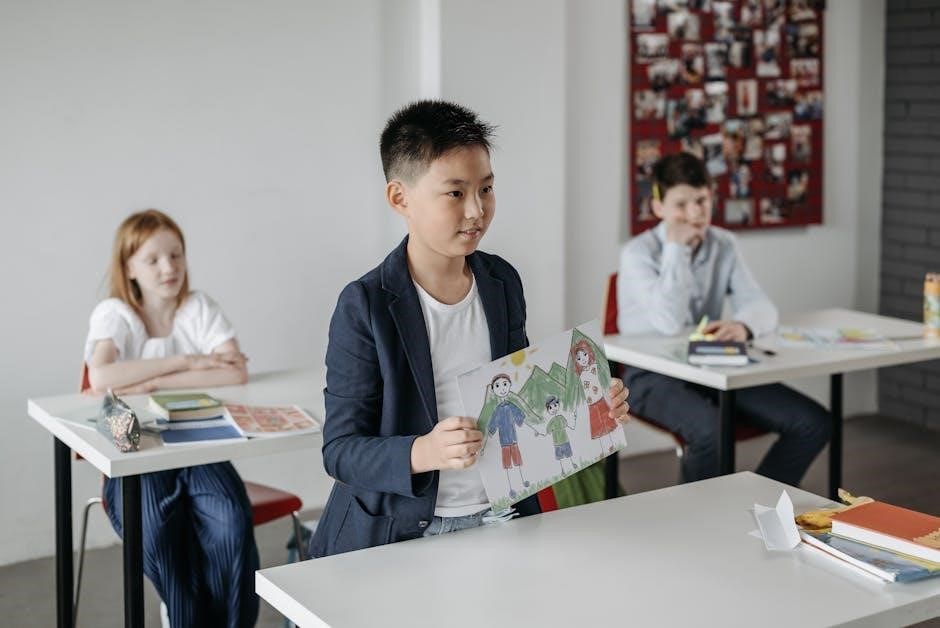
Family Gratitude Projects: Extending the Practice Home
Cultivating gratitude shouldn’t be confined to the classroom; extending these practices into the home environment amplifies their impact. Family-based gratitude activities reinforce the importance of appreciation and strengthen familial bonds. Numerous PDF resources offer ideas for collaborative projects designed to foster thankfulness within the family unit.
One effective approach is creating a “family gratitude jar,” where each member regularly contributes notes detailing things they are thankful for. These notes can be read aloud during family meals or special occasions. Another project involves collaboratively creating a “gratitude scrapbook” filled with photos and written reflections.
PDF workbooks often provide prompts for family discussions centered around gratitude, encouraging open communication and shared appreciation. These activities help families focus on the positive aspects of their lives and build a stronger sense of connection. Regularly engaging in these practices instills a lasting habit of thankfulness.
Creating a Gratitude-Rich Classroom Environment
Gratitude jars and daily sharing foster positivity. PDF resources provide prompts for consistent practice, building a classroom culture centered on appreciation and thankfulness.
Gratitude Jar or Box: Collective Appreciation
Creating a gratitude jar or box is a simple yet powerful activity to cultivate collective appreciation within the classroom. This involves decorating a jar or box and providing students with slips of paper. Throughout the week, or a designated period, students anonymously write down things they are grateful for – these can range from small kindnesses to larger blessings.
These slips are then folded and placed into the jar or box. At regular intervals, such as weekly or bi-weekly, the teacher (or a student volunteer) reads the notes aloud. This shared practice allows the entire class to acknowledge and celebrate the positive aspects of their lives and the contributions of others. Many PDF gratitude activity resources include pre-designed slips or prompts to guide students.
The act of collectively recognizing gratitude fosters a more positive and supportive classroom environment. It encourages students to actively seek out and appreciate the good in their surroundings, strengthening social connections and promoting a sense of community. It’s a tangible reminder of the abundance of positivity, even during challenging times.
Daily Gratitude Sharing: Starting the Day Positively
Beginning each day with gratitude sharing is a remarkably effective way to set a positive tone for learning and interaction. This practice involves dedicating a few minutes at the start of the school day for students to verbally express something they are grateful for. It can be as simple as appreciating a sunny day, a kind gesture from a friend, or a supportive family member.
The teacher can model this behavior by sharing their own gratitude first, creating a safe and encouraging atmosphere. This isn’t about lengthy speeches; brief, sincere expressions are most impactful. Many PDF gratitude activity workbooks offer suggested prompts to help students articulate their feelings.
Regular gratitude sharing cultivates a mindset of appreciation, shifting focus from what’s lacking to what’s present and positive. It fosters a sense of optimism, resilience, and connection within the classroom, contributing to a more harmonious and productive learning environment. It’s a small habit with significant benefits.
Resources and Further Exploration
Free printable gratitude workbooks (PDFs) provide structured exercises for students. Online resources offer educators additional activities and insights into fostering gratitude.
Free Printable Gratitude Workbooks (PDFs)
Numerous free, printable gratitude workbooks are readily available online, offering a convenient and accessible way to introduce gratitude practices to students. These PDF resources typically contain a variety of exercises designed to cultivate appreciation and positive thinking. Common activities include gratitude journaling prompts, encouraging students to regularly reflect on things they are thankful for, and worksheets focused on identifying positive experiences.
Many workbooks also incorporate creative exercises, such as designing gratitude cards or creating “thank you” lists. These resources are particularly valuable for educators seeking structured materials to implement gratitude activities in the classroom. They often cater to different age groups, providing age-appropriate prompts and activities. Searching online for “gratitude workbook PDF” yields a wealth of options, allowing teachers to select resources that best suit their students’ needs and learning styles. Utilizing these readily available tools can significantly enhance efforts to foster a grateful disposition in young learners.
Online Gratitude Resources for Educators
A wealth of online resources supports educators in integrating gratitude into their classrooms. Websites like “Greater Good Science Center” at UC Berkeley offer articles, research summaries, and practical exercises based on the science of happiness, including extensive gratitude content. These resources often provide guidance on implementing gratitude practices, such as gratitude journaling and appreciation exercises, alongside explanations of the underlying psychological benefits.
Furthermore, many educational websites host free downloadable gratitude activities and lesson plans, often in PDF format, designed specifically for students of various ages. These resources frequently include prompts for gratitude letters, classroom discussions, and mindful gratitude practices. Organizations dedicated to positive psychology also offer valuable tools and insights. Exploring these online platforms empowers educators to create a gratitude-rich learning environment, fostering positive emotions and well-being among their students, and supplementing existing curriculum with impactful activities.
Characteristics of a Grateful Disposition
Individuals with a grateful disposition consistently exhibit several key traits. They tend to experience more positive emotions, feel a stronger sense of connection with others, and demonstrate increased resilience in the face of adversity. These individuals are less likely to focus on material possessions or social comparisons, instead appreciating what they already have.
Research suggests that grateful people often exhibit greater empathy and compassion, extending kindness to others more readily. They are also more likely to engage in prosocial behaviors, such as volunteering or helping those in need. PDF resources detailing gratitude activities for students often highlight these characteristics as desired outcomes of practice. Cultivating gratitude isn’t simply about saying “thank you”; it’s about a fundamental shift in perspective, recognizing the goodness in life and acknowledging the contributions of others, fostering a more positive and fulfilling existence.
Leave a Reply
You must be logged in to post a comment.